Your First Open-Water Freedive: What to Expect on the Day
What your first freedive in open water is really like: the buoy and line, the briefing, warm-up dives, equalising, looking down into blue, and normal nerves.
Your first freedive in open water will most likely happen on a course, in calm water, holding a buoy with a weighted line hanging beneath it. You’ll do a slow warm-up, pull yourself a few metres down the line, equalise early and often, and turn long before you feel you have to. Most people are nervous beforehand and quietly delighted afterwards. This is what the day usually looks like, step by step, so the only surprise is how blue it is.
Before you get in: the briefing
Your instructor will brief you on the boat or the beach before anyone touches the water. Expect to cover:
- The plan: the site, the depth of the line, how many dives and roughly how long you’ll be in.
- Signals: OK, up, problem, and a signal for ears.
- Buddy pairs and roles: who dives, who watches. One up, one down, always.
- What to do if you can’t equalise: turn around and come up. Turning is part of the plan, not a failure.
- The surface routine: recovery breaths, an OK sign and telling your buddy you’re OK.
This is the time for questions. Tell your instructor if you have a cold, a blocked ear, a fear of deep water or anything else on your mind. They will have heard it before.
If you’re heading out by boat, as you often will in the Andamans, eat light, drink water, and sit near the back in the fresh air if you tend to get seasick.
The buoy and line setup
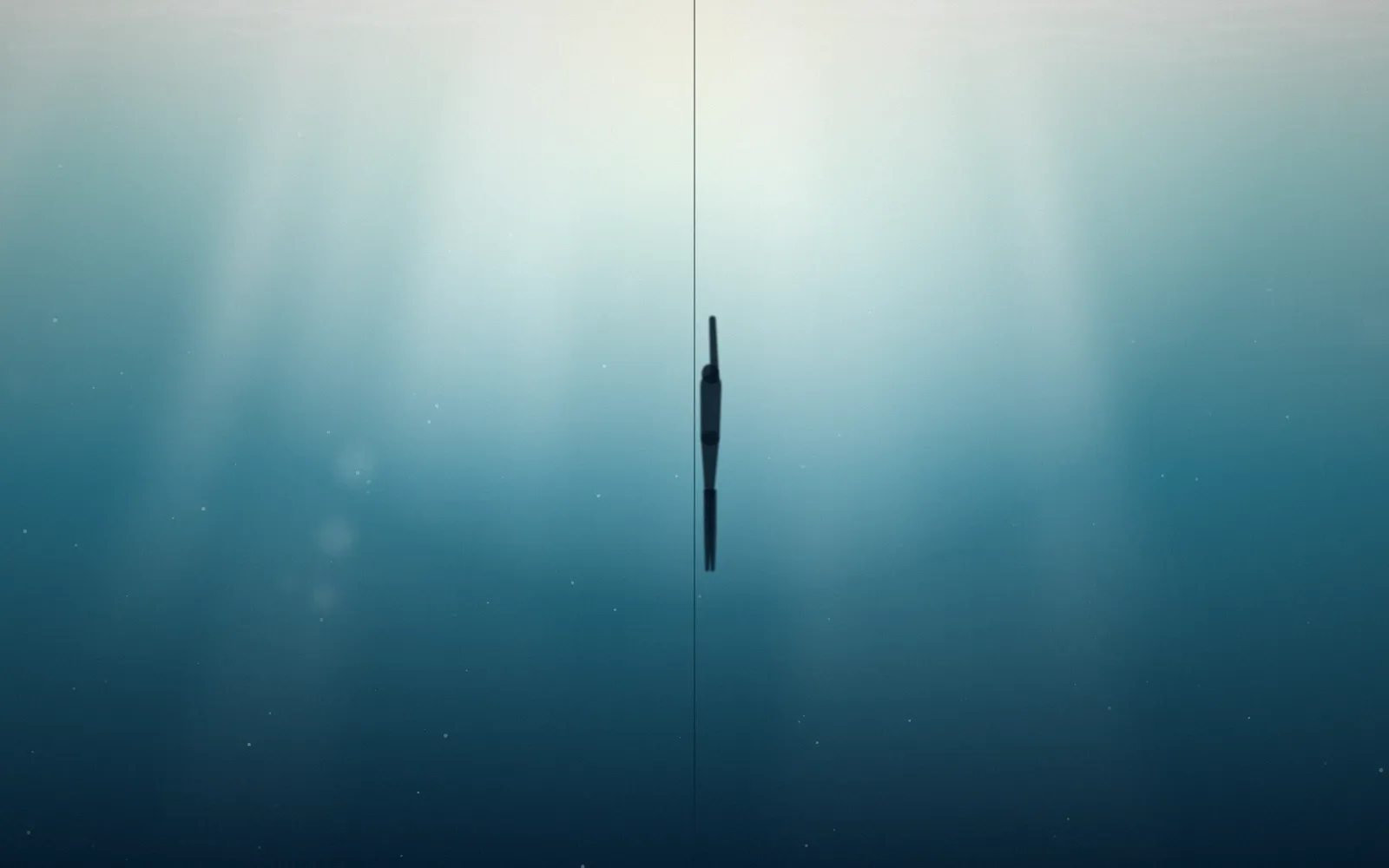
The setup is simple once you’ve seen it. A float, often a large inflatable buoy, sits at the surface. A line hangs straight down from it with a weight at the bottom, set at a depth your instructor chooses. For the first dives, that’s usually only a few metres.
Students hold onto the buoy between dives, breathing calmly. Some setups also use a lanyard, a short leash from your wrist to the line, so you can never drift away from it. The instructor positions themselves to watch every dive, and your buddy watches from the surface.
Getting comfortable at the surface
The first ten minutes are about settling in. Put your face in the water and breathe slowly through your snorkel. Your mask might let in a drop of water. The sea will taste of salt. Your wetsuit will make you float more than you expect. All normal.
Look down. In clear water, you’ll see the line disappearing into blue, sunlight flickering, maybe a fish turning below you. Some people find this beautiful straight away. Others feel a small jolt of unease. Both reactions are normal, and the unease usually fades after a few minutes of calm breathing.
Keep your breathing slow and relaxed, slightly longer on the exhale. Big, fast breaths before a dive are hyperventilation, and they make freediving less safe, not easier.
Warm-up dives: pulling down the line
The first dives are usually free immersion: you pull yourself down the line hand over hand, head neutral, body relaxed. It’s the gentlest way to start, because you control the speed and can stop at any moment. Our guide to free immersion technique explains the pull.
On later dives you’ll practise your duck dive, folding at the hips and lifting your legs so their weight pushes you under, then finning gently along the line.
Equalisation is the main skill of the day. Start before you leave the surface, then equalise every pull or two, before you feel pressure. If you’ve practised the Frenzel technique on land, this is where it pays off. If your ears won’t clear, stop, come up a metre, try again gently, and turn if it still won’t work. Never force it.
The moment you look down
At some point, usually on the third or fourth dive, you’ll be hanging a few metres down with your ears equalised and nothing to do for a second. That’s when it reaches most people: the quiet. No traffic, no phone, just your heartbeat and the small sounds of your own ears.
While descending, keep your head neutral and look at the line in front of you rather than craning down. It’s better for equalisation and for streamlining. But at the bottom of a dive, or while hanging on the line, take a moment to look around: the light from above, the line vanishing below, your buddy’s fins at the surface.
Coming up: recovery breaths and your buddy
Ascend calmly, looking at the line, without rushing. Your buddy watches you all the way up. As your face clears the water:
- Hold the line or the buoy.
- Take a few recovery breaths: a short passive exhale, then a quick, full inhale, held briefly with a little pressure.
- Give an OK sign and tell your buddy you’re OK.
Your buddy keeps watching you for at least 30 seconds after you surface. Then you swap roles and watch them. Learning to watch someone else’s dive properly is half of freediving, and our guide to the freediving buddy system explains what to look for.
Safety: Never dive without a trained buddy watching you, even a few metres down and even on day one. Never hyperventilate before a dive, and never push past the depth or time your instructor has set.
Common first-day wobbles, and what helps
- Ears won’t clear. The most common hold-up for beginners. Equalise earlier, keep your chin slightly tucked, slow down and accept that some days are slower than others.
- Mask pressing on your face. Breathe a little air out through your nose into the mask as you descend.
- Feeling cold. Even in warm Indian water, an hour of floating cools you down. A wetsuit helps, and shorter sessions are fine.
- Seasickness. Look at the horizon, get in the water sooner rather than later, and keep your stomach light.
- Wanting to breathe almost straight away. Nerves raise your heart rate and make holds feel shorter. Relax, keep the dives short, and it eases as you settle.
- Comparing yourself with others. Someone in your group will go deeper. It doesn’t matter. Our post on how deep a beginner can freedive explains why depth comes with time.
After your first freedive: the rest of the day
You’ll probably feel tired, hungry, salty and oddly calm. Eat a proper meal, drink plenty of water and rest in the shade. Write down what you did while it’s fresh: depths, how your ears felt, what you’d like to work on tomorrow. Don’t plan any more deep diving that day, and if you’re flying soon, ask your instructor how long to wait.
An online community for Indian freedivers is on its way here at freediving.in, so stay tuned.
Frequently asked questions
How deep will I go on my first freedive?
Not very, and that's deliberate. First open-water dives on a course usually start at a few metres, often pulling gently down a line. Over the following days, many beginners reach somewhere between 10 and 20 metres, depending on the course level, the conditions and above all how easily they equalise. Depth comes from relaxation and technique, not pushing.
Is it normal to feel scared before a first freedive?
Yes. Almost everyone feels nervous before their first open-water session, including confident pool swimmers. Tell your instructor how you feel, hold the buoy, breathe slowly and start with very shallow dives. Nerves usually settle once you've done a couple of easy dives and seen how the setup works.
What should I eat before my first freedive?
Eat a light meal two to three hours before, such as idli, poha, toast or a banana, and avoid heavy, oily or very spicy food that can upset your stomach on a moving boat. Drink water steadily through the morning and go easy on tea and coffee. Save the big lunch for after the session.
Do I need to be a strong swimmer for my first freedive?
You need to be comfortable in water and able to swim a short distance without help, and most courses include a simple swim check. You don't need to be fast or competitive. Freediving is mostly about relaxing, and calm, unhurried swimmers often do better than strong, tense ones.