What Is Freediving? A Plain-English Introduction
What is freediving? A plain explanation of diving on one breath: how it works, recreational vs competitive diving, a first session and the safety basics.
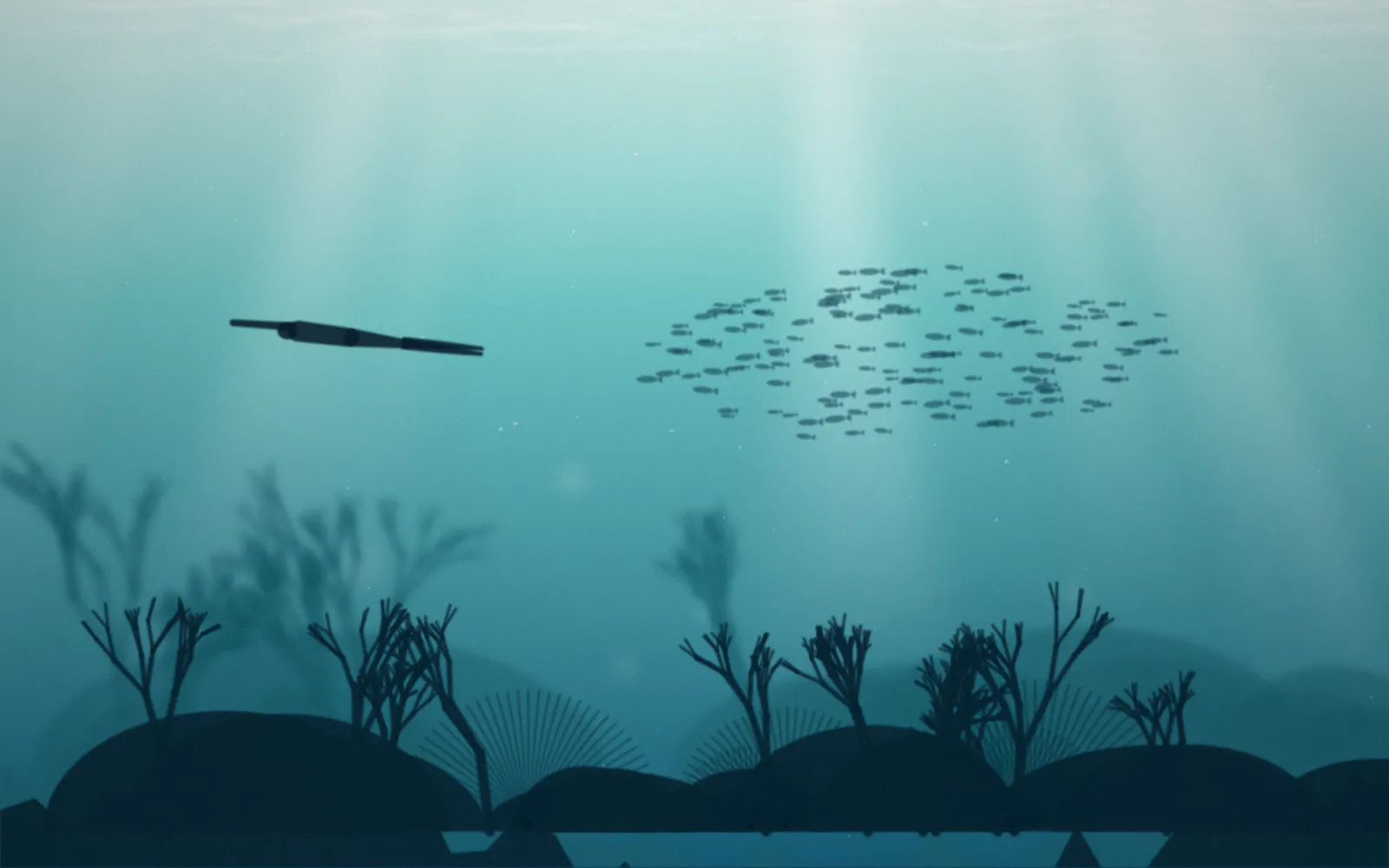
Freediving is diving underwater on a single breath, without a scuba tank or any other breathing apparatus. You take one calm breath at the surface, go down, and come back up before you need the next one. People freedive to explore reefs, take photographs, spearfish, compete, or simply because the quiet underwater is unlike anything on land. Done properly, it’s a trained skill with clear safety rules, built on relaxation far more than on toughness.
What freediving actually means
Technically, the word covers any breath-hold diving, from a child chasing a coin in the pool to a competitor on a 100-metre dive. In practice, people mean doing it with technique: a relaxed breathe-up at the surface, a smooth entry, equalising your ears as you descend, and a controlled return, all while a trained buddy watches.
The technical term is apnea, from the Greek for “without breath”. That’s why you’ll see names like static apnea and dynamic apnea on course syllabuses.
What separates freediving from simply holding your breath is efficiency. A good freediver spends as little oxygen as possible: slow movements, loose shoulders, a soft jaw and a quiet mind. Big lungs help a little. Relaxation helps a lot more.
Recreational vs competitive freediving
Most freedivers never compete. They dive for the experience, train on a line to improve, or combine freediving with photography or spearfishing. Competition is a small, specialised corner of the sport with strict rules and judges.
| Recreational freediving | Competitive freediving | |
|---|---|---|
| Main goal | Enjoying time underwater, steady progress | Reaching an announced depth, distance or time |
| Where it happens | Reefs, a line under a buoy, the local pool | Judged pool and depth events |
| Safety setup | Buddy system, one up one down | Safety divers, medics, a formal surface protocol |
| Who does it | Anyone with training | A small number of dedicated athletes |
Competitions are split into disciplines, such as static apnea in the pool or constant weight on a depth line. If the abbreviations look like alphabet soup, our guide to freediving disciplines decodes them.
Why do people freedive?
Ask ten freedivers and you’ll hear ten reasons, but a few come up again and again:
- The silence. No regulator noise and no bubbles. Many divers find fish are less bothered by them than by scuba divers.
- Very little gear. Mask, snorkel, fins, maybe a thin wetsuit. You can carry the lot in a backpack (the long fins will poke out).
- Stillness. A breath-hold forces you to be present. It’s hard to worry about your inbox at 10 metres.
- Measurable progress. Your first relaxed dive to 10 metres feels like a real achievement, and it is.
- It pairs with other things. Underwater photography, spearfishing and reef-watching all get better when you can stay calm on one breath.
What happens in your body during a breath-hold
You don’t need a physiology degree, but three things are worth knowing from day one.
First, your body has a built-in response to breath-holding with your face in water. Your heart rate slows and blood vessels in your arms and legs narrow, saving oxygen for the heart and brain. This is called the mammalian dive reflex, and every human has it.
Second, the urge to breathe is driven mainly by rising carbon dioxide, not falling oxygen. That’s why you feel uncomfortable long before you’re in real danger, and also why tricks that lower CO2 are so risky: they switch off the alarm without filling the tank. Our explainer on what really makes you want to breathe goes into the detail.
Third, water pressure increases quickly with depth. Every 10 metres of seawater adds roughly one atmosphere of pressure, squeezing the air spaces in your ears, sinuses, mask and lungs. That’s why equalising your ears is the first big skill every freediver learns.
What a first freediving session feels like
Most people’s first real freediving happens on an entry-level course. The morning usually starts in a classroom or on a beach mat: how the body works, how to breathe before a dive, what a buddy does and why you must never hyperventilate.
Then comes the pool. You float face down while your instructor times a relaxed breath-hold, and somewhere along the way your diaphragm starts twitching. These are contractions, a normal response to rising CO2, and the first time they arrive they feel alarming. A good instructor talks you through them. Plenty of people surface having held their breath far longer than they thought possible, mostly because they finally stopped fighting it.
Open water comes next: a buoy, a rope hanging below it, and a lot of blue. You duck dive, pull yourself gently down the line, equalise every metre or so and turn around well before anything gets difficult. We describe that day in detail in your first open-water freedive.
The tiredness surprises people. A day of freediving involves very little physical effort, yet most beginners sleep extremely well that night.
The safety basics every freediver learns
Freediving is safe when its rules are followed and dangerous when they’re ignored. The core rules fit on one hand:
- Never freedive alone, in the sea, a pool or a bathtub.
- One up, one down: one buddy dives while the other watches from the surface, ready to help.
- Never hyperventilate before a dive.
- After surfacing, do recovery breathing straight away and let your buddy watch you for a little while afterwards.
- Progress slowly. Turning early is a skill, not a failure.
Safety: Blackout from low oxygen can happen with little or no warning, most often near the surface at the end of a dive. It is survivable when a trained buddy is right there to bring you up and keep your airway out of the water. Never practise breath-holds in water on your own.
Hyperventilation deserves its own warning because it feels helpful. Fast, deep breathing before a dive makes you feel ready, but it only delays the urge to breathe while your oxygen keeps falling. Our article on why hyperventilating before a breath-hold is dangerous explains the mechanism.
Trying freediving for the first time
If you’re curious, the next steps are simple and none of them require a sea view:
- Check your water comfort. Can you swim a few lengths and float on your back without stress? If not, start there.
- Learn the theory. Read about equalisation, buddy procedures and blackout before you’re anywhere near water, and clear out the common freediving myths while you’re at it.
- Try a dry breath-hold on land. Our guide on how to hold your breath longer covers the method. Lie on your back on a bed or yoga mat, breathe slowly for a couple of minutes, take one comfortable breath and hold while a timer runs. Stop when it gets uncomfortable. Never do this in water or anywhere you could fall.
- Book a course with a certified instructor. That’s where the in-water skills are learned safely.
Our freediving for beginners guide lays out what the first month typically looks like. Stay tuned for the freediving.in community, launching soon.
Frequently asked questions
What is the difference between freediving and apnea?
Apnea is the medical word for a pause in breathing, from the Greek for ‘without breath’. In the sport, the two words are used almost interchangeably, which is why disciplines have names like static apnea and dynamic apnea. Freediving is the broader everyday term for breath-hold diving, whether you are exploring a reef, training on a line or competing.
How long can a beginner hold their breath underwater?
Lying still on land, untrained adults often manage somewhere between 30 seconds and a minute and a half. After a short course with good relaxation, a relaxed static hold of around two minutes is common. Actual dives are much shorter because you are moving, and beginner dives of 30 to 60 seconds are normal. Time alone is a poor measure of progress.
Is freediving dangerous?
Freediving carries real risks, mainly blackout from low oxygen, pressure injuries to the ears or lungs, and drowning if a blackout happens with nobody to help. Training, conservative progression and a buddy who watches every dive manage those risks well. Many serious accidents involve people holding their breath alone, often after hyperventilating, which is exactly what courses teach you never to do.
Do you need to be fit to start freediving?
You need ordinary health and basic comfort in water, not athletic fitness. Relaxation and technique matter far more than strength in the early stages, and very fit people sometimes struggle because they find it hard to slow down. Anyone with a heart, lung, ear or blood-pressure condition should see a doctor before starting, and every course uses a medical questionnaire.