Recovery Breathing: The First 30 Seconds After Every Dive
Recovery breathing (hook breathing) gets oxygen to your brain in the seconds after a dive, when blackout risk peaks. Technique, surface protocol and drills.
Recovery breathing is a short sequence of quick, pressurised breaths you take the moment you surface from a freedive: a small passive exhale, a fast full inhale, a one- to two-second hold with gentle pressure, then repeat. It helps get oxygen back into your blood and up to your brain during the first 30 seconds after a dive, when the risk of blackout and loss of motor control is highest. Most agencies teach a version of it, sometimes called hook breathing. It should happen after every dive, easy or hard.
Why the first 30 seconds after a dive are the riskiest
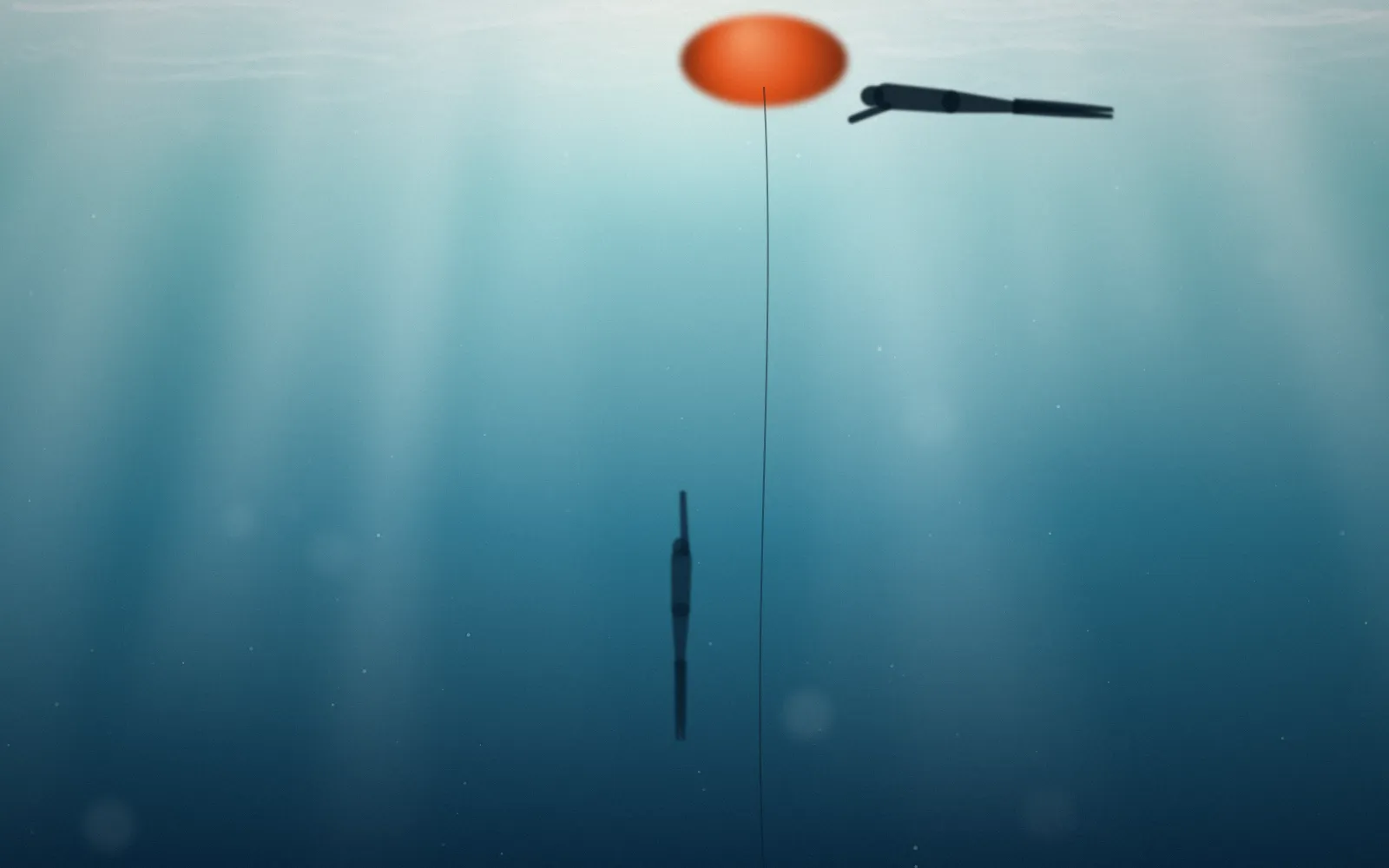
Three things stack up at the surface. First, oxygen in your lungs drops sharply during the last metres of an ascent as the water pressure falls, so you arrive at the surface with less available than you had at depth. Our post on shallow water blackout explains why.
Second, there’s a delay. Oxygen from your first breath takes several seconds to travel from your lungs to your brain, so brain oxygen can keep falling for a moment after you surface.
Third, the instinctive way to surface is wrong. Most people come up and blow out a huge breath, as if finishing an underwater length at the local pool. That empties the lungs, drops the oxygen pressure inside them even further and delays the next useful breath. Recovery breathing replaces that habit.
How to do recovery breathing, step by step
- As your face clears the water, let a small amount of air out passively. Don’t blow, and don’t empty your lungs. Some divers let a little out just below the surface so they are ready to inhale immediately.
- Inhale quickly and fully through your mouth.
- Hold for one to two seconds with gentle pressure. Close your throat and press down slightly, as if you’re about to lift something heavy. Some instructors describe it as saying “hook” and holding on the “k”. Some also teach tensing the abdomen and legs at the same time.
- Let a little air out passively again, then take the next quick inhale and hold.
- Repeat at least three times, more after a hard dive, until you feel clear and steady.
- Settle into calm, normal breathing and complete the surface protocol.
The whole sequence takes 10 to 20 seconds. It should feel deliberate, not frantic.
On depth dives, get ready for it in the last few metres of the ascent: look up, reach for the line or buoy, and keep any exhale small. In static apnea, the same breaths start the moment you lift your face out of the water, before you turn to the timer or your buddy.
Agencies phrase this slightly differently. Some put more emphasis on the passive exhale, others on the speed of the inhale. If your instructor taught you a particular version, use theirs.
Why hook breathing works
The explanations vary a little between agencies, and there’s limited research on freediving recovery specifically, but the core ideas are consistent. Holding the breath under gentle pressure raises the pressure in your lungs, which raises the partial pressure of oxygen in them and helps it pass into your blood faster. Keeping your lungs mostly full avoids the dip that comes with a big exhale. And the tension in your chest and abdomen supports your blood pressure, helping blood, and the oxygen in it, reach your brain.
The technique is often compared to the straining manoeuvre fighter pilots use to stay conscious under high g-forces, which works on a similar principle of maintaining blood pressure to the head.
The surface protocol: showing your buddy you’re OK
Recovery breathing is for you. The surface protocol is for your buddy, or for a judge in competition. AIDA’s version is simple: remove your facial equipment (mask or goggles, and nose clip), give a clear OK sign and say “I am OK”. In competition you must do this within a short time limit; in training, many instructors ask for it on every dive so it becomes automatic.
In practice, grab the buoy or line, start your recovery breaths, then complete the protocol. While you do it:
- keep holding the buoy, line or pool wall
- keep your face out of the water, and don’t drop face down onto your snorkel to rest until you have fully recovered
- look at your buddy, not your dive computer
- don’t talk, laugh or describe the dive yet
Common surface mistakes
- The big “whoosh” exhale on surfacing.
- One recovery breath, then straight into chatting.
- Letting go of the buoy to adjust a mask or strap.
- Checking the watch before breathing.
- Pulling the mask off in a hurry before the first breath, which costs you a second or two exactly when they matter.
- Turning recovery breathing into hyperventilation by carrying on with big, fast breaths for a minute. Once you’re clear, go back to calm breathing. Our post on why hyperventilating before a breath-hold is dangerous explains why this matters before the next dive.
How to practise recovery breathing on land
You can make this automatic long before you see the sea. During your dry static training, lying on a mat, finish every breath-hold with at least three recovery breaths before you do anything else, including stopping the timer. Do it after easy holds as well as hard ones.
You can also practise without a hold. Sitting at your desk, do five rounds of passive exhale, quick inhale and pressured hold. A few minutes, a few times a week, is enough to build the habit. In the pool, do it at the wall after every dynamic length, including the short warm-ups.
If you use a breath-hold app for your dry tables, treat the recovery breaths as part of each round rather than an afterthought. A routine that ends with you grabbing the phone to stop the timer is training the wrong reflex.
What your buddy is watching for while you recover
Your buddy stays within arm’s reach for at least 30 seconds after you surface, watching your face and breathing. They’re looking for the signs of samba, or loss of motor control: shaking, a vacant stare, a face that starts to sink, an OK sign that doesn’t come. Clear, confident recovery breathing makes it easier for them to see that you’re fine. Read the freediving buddy system for their side of the routine.
Safety: Recovery breathing lowers the risk of blackout at the surface, but it never replaces a buddy. Don’t do breath-holds in water, including a pool or bathtub, without a trained buddy watching you from within arm’s reach.
A recovery breathing drill for this week
Three times this week, after a short dry breath-hold on your mat, run the full sequence: small passive exhale, quick inhale, hold with pressure, repeated three to five times, then an OK sign and “I am OK” out loud. It will feel silly in your living room. That’s fine. You’re building something that has to work when you surface tired and a little foggy, with no thought spare.
Stay tuned for the freediving.in community, launching soon.
Frequently asked questions
How many recovery breaths should you take after a freedive?
Most courses teach at least three, and three to five is common, continuing until you feel clear and steady. Take more after a long or demanding dive. Once you have recovered, settle back into calm, normal breathing. Carrying on with big, fast breaths for a minute or more turns recovery breathing into hyperventilation, which you don't want before your next dive.
Should you exhale before surfacing from a freedive?
Many divers let a small amount of air out passively just before or as they surface, so they can inhale the moment their mouth is clear. What you must avoid is blowing out a big breath on the ascent or emptying your lungs at the surface, which lowers the oxygen pressure in your lungs and raises blackout risk. Follow the specific method your instructor teaches.
Is recovery breathing the same as the surface protocol?
No. Recovery breathing is the breathing technique that helps your own body recover. The surface protocol is a set of signals showing your buddy, or a competition judge, that you are conscious and in control: removing facial equipment, giving an OK sign and saying ‘I am OK’. In practice you do both, starting the recovery breaths first and completing the protocol within seconds.
Do you need recovery breathing after easy or shallow dives?
Yes. Make it a habit on every dive, including easy ones in the pool. Blackouts and loss of motor control can follow dives that didn't feel hard, and you want the technique to be automatic on the day you surface tired and foggy. If you only do it after big dives, it will be slow and clumsy exactly when you need it most.