The Freediving Buddy System: How to Be a Good Safety
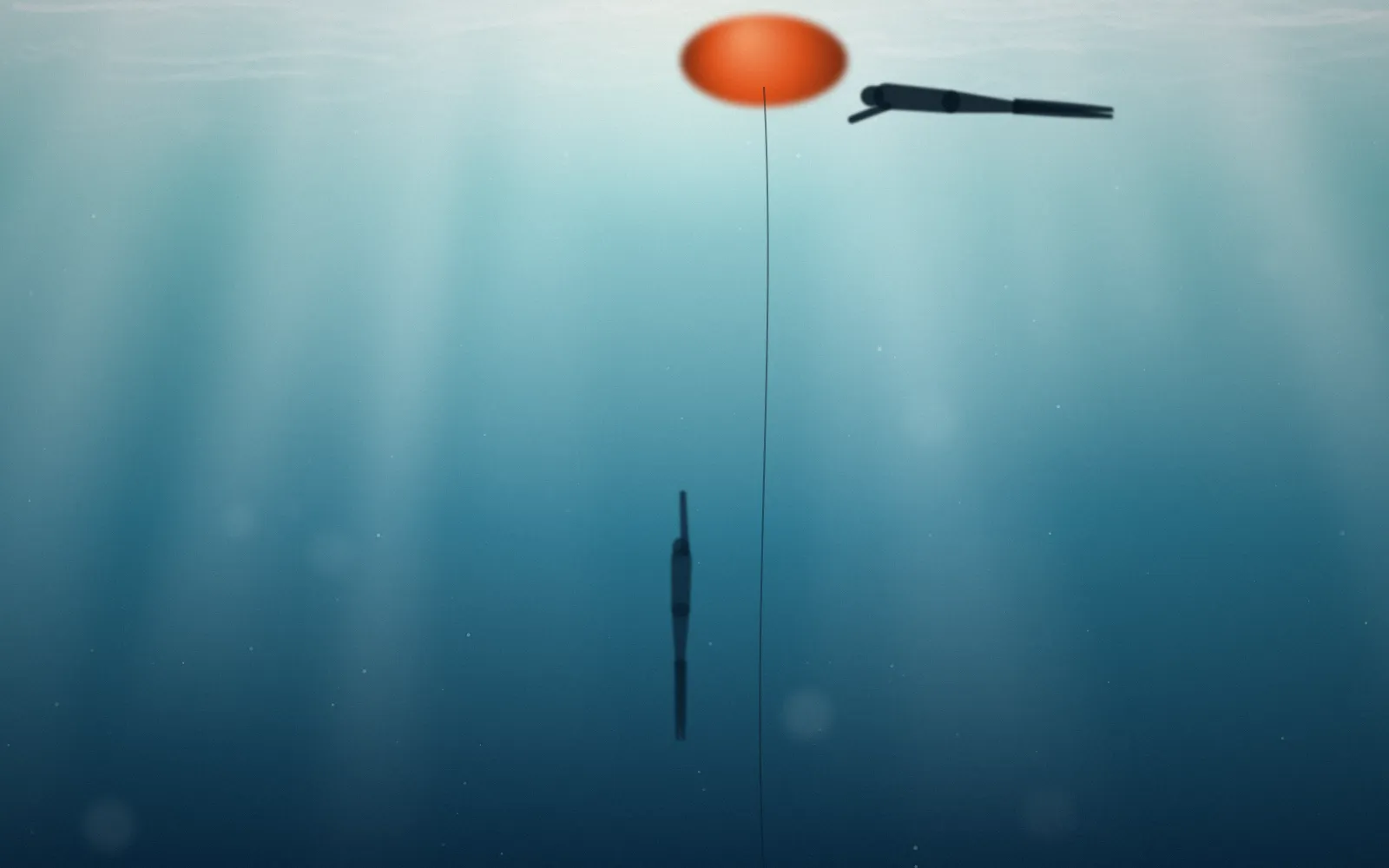
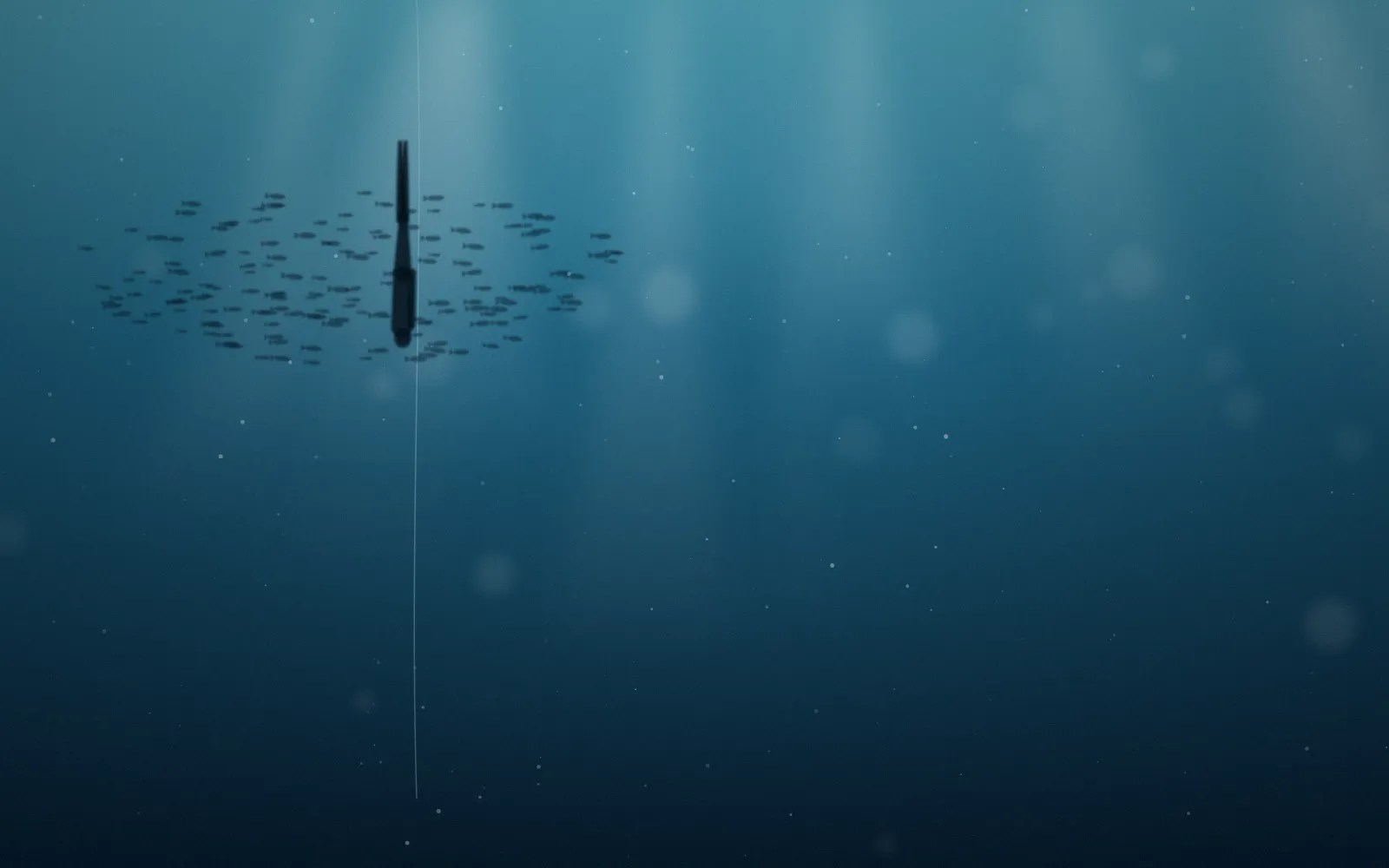
What a good freediving buddy does: one up, one down, watching every second, meeting the diver on the ascent and staying close at the surface afterwards.
A freediving buddy is the trained person who watches your dive from start to finish and is ready to rescue you if you black out. The system runs on one rule, one up, one down: one person dives while the other watches. A good freediving buddy, often just called “the safety”, agrees the plan beforehand, watches the whole descent, meets the diver on the way up when the depth calls for it, and stays within arm’s reach for at least 30 seconds after they surface. It is a skill you practise, the same as equalising.
One up, one down: how the swap works
Only one person is underwater at a time. The other floats at the surface, breathing calmly through their snorkel and watching. When the diver comes up, they recover fully, and only then do you swap roles.
The safety needs to be rested too. If you’ve just done a hard dive, you’re in no state to drop down to 8 metres to meet someone a minute later. Build in pauses, or train in a group of three so one person is always resting. A buddy who is still recovering from their own dive is watching with half their attention.
Agree the plan before every dive
Thirty seconds of talking at the buoy prevents most confusion underwater. Agree on:
- the discipline and target, for example “free immersion to 15 metres”
- the expected dive time, so the safety knows when to descend and when to start worrying
- where the safety will meet the diver on the ascent, if at all
- what happens if the diver turns early (the safety still meets them)
- who handles the line or counterweight if something goes wrong
- your signals
Most courses teach a similar set of signals:
| Signal | Meaning |
|---|---|
| Thumb and forefinger in a circle | I’m OK / are you OK? |
| Flat hand rocking side to side | Something is wrong |
| Pointing at an ear | Equalisation problem |
| Thumb up | Going up / end the dive (in diving it doesn’t mean “good”) |
| Agreed finger lift after a tap | In static: I’m conscious and fine |
Watching the descent and the bottom phase
Watch the diver from the moment their face goes in until they are back at the surface and recovered. Not the reef, not the turtle, not the other group’s boat. Check your watch when they leave so you know how long they have been down.
Read the body language. A relaxed, steady kick or pull is good. Jerky movements, sudden stops, a diver looking up at the surface or fiddling with their mask are all worth noting. In murky water, which you’ll sometimes get off India’s west coast, you may lose sight of the diver at depth. That is one reason to dive on a line with a lanyard, and our guide to freediving lanyards explains the setup.
Meeting the diver on the ascent
For deeper dives, the safety descends to meet the diver on their way up and escorts them to the surface. A common rule of thumb is to meet them at around a third of their maximum depth, so roughly 10 metres for a 30-metre dive. Your instructor may set a different point depending on the dive, the conditions and your own comfort.
Timing matters. Leave too late and you meet them at the surface. Leave too early and you hang at depth on your own breath-hold, burning oxygen you may need for a rescue. Use the expected dive time and the diver’s usual ascent speed, and if in doubt, leave a little early and descend slowly.
On the way up, stay about an arm’s length away, face to face, watching their eyes and face. Don’t touch or crowd them. If they black out, you’re right there.
The meeting depth should be easy for you. If it isn’t, the dive needs a more experienced safety or a counterweight system, not a heroic effort from you.
The first 30 seconds at the surface
Many blackouts and sambas happen just after the diver surfaces, so this is the part of your job that matters most. Stay within arm’s reach, facing them. Watch them do their recovery breathing and surface protocol: hold the buoy, quick hook breaths, mask off, an OK sign and a clear “I’m OK”.
Don’t talk, joke or ask about the dive yet. Watch for the signs of samba, or loss of motor control: shaking, a blank stare, the face sliding towards the water. Stay close for at least 30 seconds, longer after a hard dive. Only then can either of you relax.
Being a freediving buddy in the pool
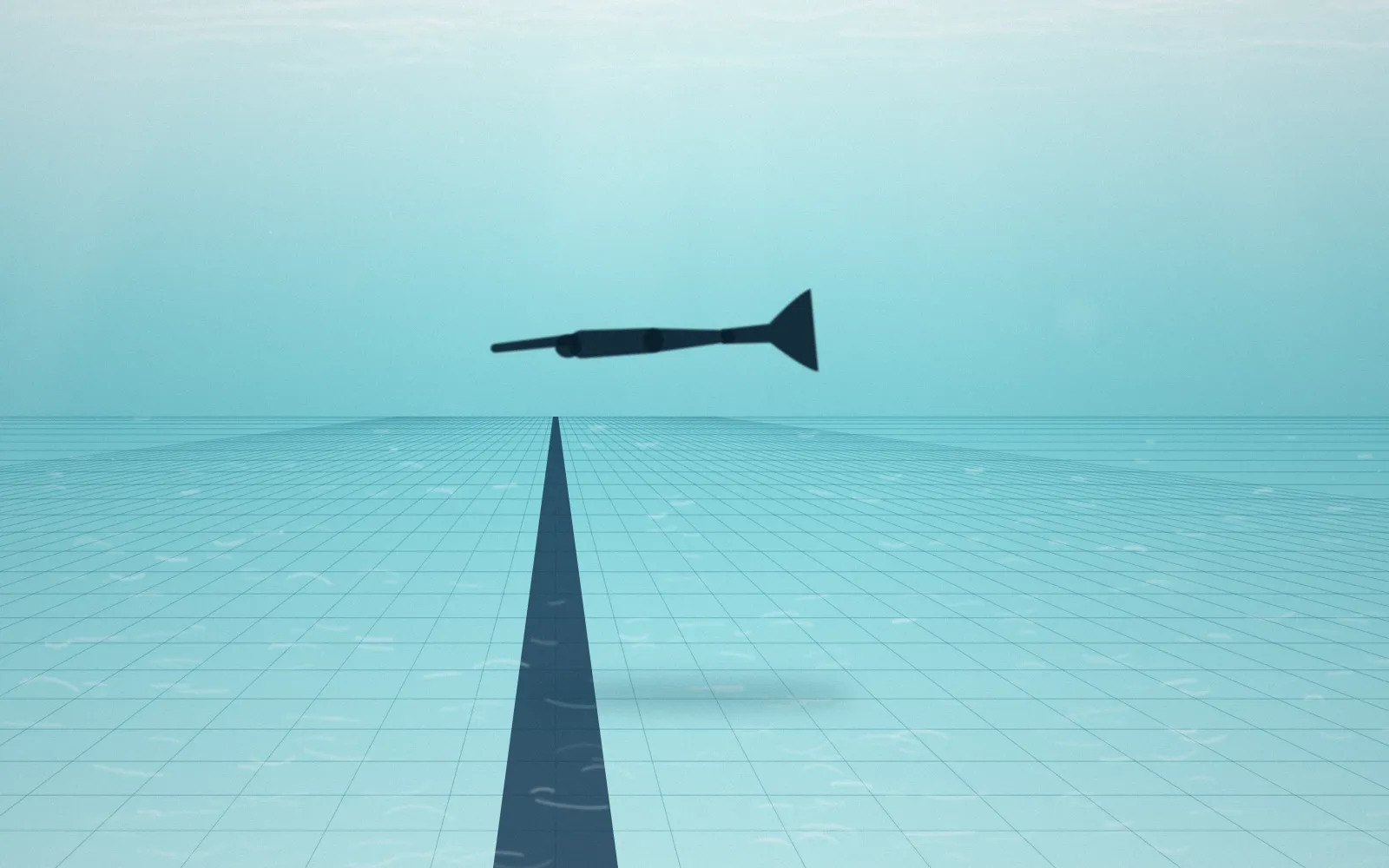
In a pool, the safety follows the diver along the lane at the surface, roughly above or just behind them, close enough to reach them in a stroke or two. In dynamic, watch for the same signs you would in the sea. In static, stay in contact. A common method is to tap the diver at agreed times and have them answer with a finger lift; if there’s no answer, lift their airway out of the water straight away.
Indian public pools add a few complications: crowded lanes, swimmers who don’t understand why someone is floating face down, and lifeguards who haven’t seen breath-hold training before. Talk to the lifeguard before you start. Our post on pool training for freediving has more on making this work.
If something goes wrong
Rescue skills come from a course and regular practice, not from reading. In outline: if the diver blacks out underwater, bring them to the surface the way your course taught you. At the surface, support their face out of the water, remove their mask, and use blow-tap-talk: blow across their face, tap their cheek, tell them to breathe. If they don’t start breathing within a few seconds, give rescue breaths as trained, call for help and get them out of the water.
Any blackout ends the day. If water may have been inhaled, or the diver keeps coughing or seems unwell, they need a medical check. Our post on shallow water blackout explains what’s happening in the body.
Safety: Practise rescues with your regular buddy every few sessions, ideally under an instructor’s eye. A buddy who has only done the rescue once, on their course, will be slow when it counts.
How to become a better buddy this month
Pick one skill and drill it: the surface rescue, the timing of your meeting dive, or the 30-second watch without talking. Agree your signals on land before your next pool session, and run through the plan out loud before every dive, even if it feels formal. Be honest with each other about near-misses, too. A buddy who quietly saw your samba and said nothing hasn’t done you any favours.
An online community for Indian freedivers is on its way here at freediving.in, so stay tuned.
Frequently asked questions
How close should a freediving buddy be?
During the dive, the buddy floats at the surface directly above or next to the line, watching the diver the whole time. When the diver surfaces, the buddy should be within arm's reach, facing them, for at least 30 seconds. In a pool, the buddy follows along the lane at the surface, close enough to reach the diver in a stroke or two.
Can an untrained snorkeller be my freediving buddy?
No. A freediving buddy needs to recognise the signs of loss of motor control and blackout, and know how to support an airway, use blow-tap-talk and give rescue breaths. Someone who has never learned this will usually react too slowly or do the wrong thing. Ideally, both of you have completed a freediving course with rescue training and practise it together regularly.
Does the safety diver need to be as good as the diver?
Not necessarily, but they must be able to reach the meeting depth easily, with plenty in reserve, and be fully rested before the dive. They also need solid rescue skills. If the dive is deep enough that the safety would be working near their own limit, the setup needs a more experienced safety diver or a counterweight system on the line.
How many people do you need for freediving depth training?
The minimum is two: one diving and one watching. Many groups prefer three or more on a line, so the safety is always rested and someone can help with a rescue or manage the line. Deeper training and competitions use dedicated safety divers and counterweight systems, set up and run by experienced instructors.