Samba in Freediving: Loss of Motor Control Explained
Samba in freediving means loss of motor control after a hard dive: shaking, a blank stare, no OK sign. How to spot it, respond as a buddy and prevent it.
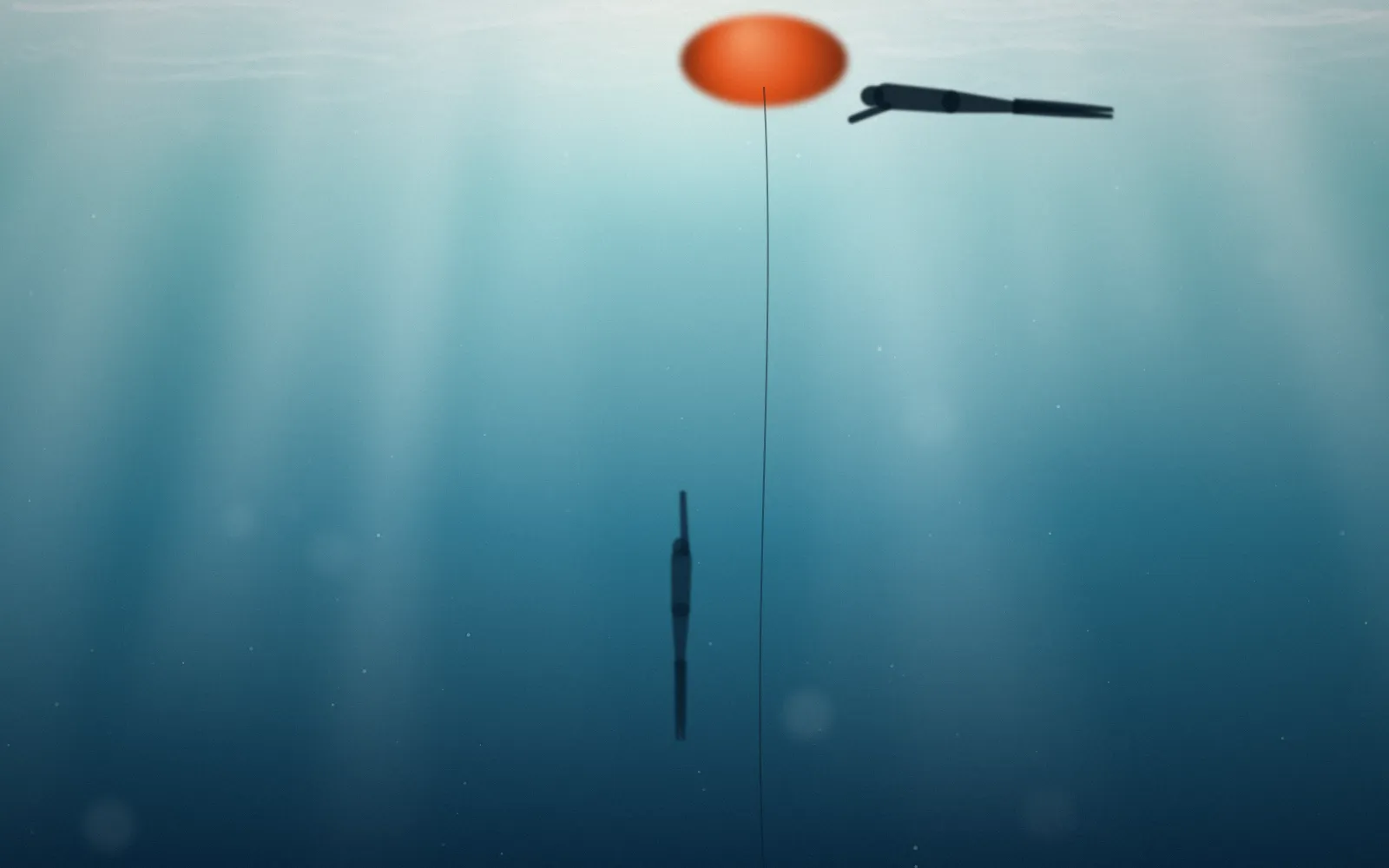
Samba is freediving slang for loss of motor control (LMC): a short episode, usually at the surface right after a dive, where low oxygen leaves the diver unable to control their body properly. They may shake, twitch, nod or stare blankly, and they often can’t complete the surface protocol. In freediving, a samba is a sign that oxygen dropped too far, and it can tip into a full blackout within seconds. The buddy’s job is to hold the diver’s airway clear of the water, talk them through their breathing and be ready to start a blackout rescue.
What samba looks like at the surface
The name comes from the jerky, dance-like movements, but a samba isn’t always dramatic. Watch for:
- trembling or jerking of the hands, arms, head or shoulders
- the head nodding forward or tipping back, or the face sinking towards the water
- a vacant, glassy or confused expression, with eyes that don’t focus on you
- fumbling with the mask, nose clip or snorkel, or letting go of the buoy
- no answer, slurred words, or an OK sign that comes late or looks wrong
- the diver insisting afterwards that they were fine
That last one matters. Many divers remember little of their samba, so ask your buddy to tell you honestly what they saw.
A samba can start within a second or two of surfacing or after several recovery breaths, which is one reason the buddy keeps watching for at least 30 seconds rather than relaxing at the first OK sign.
What causes loss of motor control?
LMC is caused by hypoxia, the same root cause as a blackout. Oxygen in your lungs drops during the ascent as the pressure falls, and oxygen in your brain keeps falling for a few seconds after you surface because blood takes time to get there. If brain oxygen dips low enough to disrupt motor control but not quite low enough to switch off consciousness, you get a samba. Our post on shallow water blackout explains the physiology in detail.
Things that make it more likely:
- a dive that was longer or deeper than your usual comfortable range
- hard finning, a fast ascent or fighting a current
- short surface intervals, so you start the next dive not fully recovered
- skipping recovery breathing, or blowing out a big breath as you surface
- hyperventilating before the dive
- cold, fatigue, dehydration or a long session
Samba vs blackout: the differences
| Samba (LMC) | Blackout | |
|---|---|---|
| Consciousness | Partly conscious, confused | Unconscious |
| Airway control | Unreliable; the face may drop into the water | None |
| Breathing | Usually continues | May stop |
| How long it lasts | Usually seconds | Until rescued and recovered |
| Buddy’s priority | Support the airway, coach breathing, stay ready | Airway out, facial equipment off, blow-tap-talk, rescue breaths if needed |
| Afterwards | No more diving that day | No more diving that day, medical check |
The two sit on the same spectrum. A samba can turn into a blackout without warning, so the buddy treats it as one step away.
How a buddy should respond to samba
You should already be within arm’s reach when the diver surfaces. Our freediving buddy guide covers positioning. If you see signs of LMC:
- Move in and support the diver from behind, as you practised on your course, keeping their mouth and nose clear of the water.
- Keep them at the buoy, line or pool wall so neither of you has to swim.
- Talk calmly and coach them: “Breathe. Breathe in. Good.” Short, simple words.
- If their mask, nose clip or snorkel is getting in the way of breathing, take it off for them.
- If they go limp, stop responding or stop breathing, switch to the blackout response: facial equipment off, blow-tap-talk, rescue breaths if they don’t start breathing within a few seconds, and call for help.
- Once they’ve recovered, keep them out of the water for the rest of the day and keep an eye on them.
Don’t fire questions at them or ask “are you OK?” while they’re still shaking. Coach the breathing first; the conversation can wait.
Anyone who may have inhaled water, keeps coughing, stays confused or feels unwell after a samba should see a doctor.
Safety: A samba means oxygen dropped too far. End the diving for that day even if the diver feels fine a minute later, and never let anyone do a breath-hold in water without a trained buddy within arm’s reach at the surface.
Loss of motor control in competitions
In AIDA competitions, athletes must complete a surface protocol within a short time limit after surfacing: remove their facial equipment, give an OK sign and say “I am OK”. CMAS has its own, broadly similar rules. Judges watch for signs of LMC, and a visible samba typically results in disqualification, shown as a red card. The exact rules change between versions, so check the current rulebook if you plan to compete.
Competitions are also where sambas are easiest to see, because athletes are performing close to their maximum on purpose, with a full safety team, medics and judges in place. A training day with one buddy at a buoy is a very different setting, and your margins should be much wider.
How to prevent samba in training
- Keep most training dives comfortably inside your maximum. Save near-maximal attempts for days with a full safety setup.
- Do recovery breathing after every dive, even easy ones, and never blow out a big breath as you surface.
- Rest properly: at least twice your dive time between dives, more after deeper ones.
- Keep your breathe-up slow and relaxed. Our post on why hyperventilating before a breath-hold is dangerous explains why fast breathing beforehand makes LMC more likely.
- Turn early when a dive feels off: equalisation trouble, strong early contractions, cold. Turning early is a skill in itself, and our post on the mental side of freediving has more on handling the urge to push on.
- Record every samba or near-miss in a freediving log, with depth, dive time, surface interval and how you felt. Patterns show up quickly.
After a samba: what to change next session
Talk it through with your buddy or instructor the same day, while you both remember the details. Most sambas have an obvious cause once you look for it: a longer dive than usual, a short rest, a cold morning, a hard kick against current. Your next session should be easier, not a rerun with more determination. If you’ve had more than one samba recently, you’re training too close to your limit and need to bring your targets down for a while.
Surface protocol, recovery breathing and buddy routines are good things to rehearse on land before your next trip. The freediving.in community is coming soon. Stay tuned.
Frequently asked questions
Is samba in freediving dangerous?
Yes, treat it as serious. A samba is a sign of hypoxia, and it can progress to a full blackout within seconds. If the diver's face drops into the water and nobody supports them, they can inhale water. With a trained buddy holding the airway clear and coaching the breathing, most divers recover quickly, but that should be the end of diving for the day.
Can you have a samba without blacking out?
Yes. Many episodes of loss of motor control are brief, and the diver stays partly conscious and recovers within seconds without losing consciousness. That does not make it harmless. It means your oxygen fell low enough to affect your brain, and the dive was beyond what you could safely do that day. Back off your targets and review what caused it.
Do you remember having a samba?
Often not clearly. Many divers remember little of the episode, or feel they were fine while their buddy watched them shake and struggle with the OK sign. This is why you should ask your buddy to tell you honestly what they saw after any hard dive. Some divers also film training dives, which helps, as long as filming never distracts the safety.
Can samba happen during static apnea?
Yes. Loss of motor control can follow static, dynamic or depth dives. In static apnea, signs include twitching, jerking and failing to respond to the buddy's agreed touch signal. The buddy should stay in contact throughout the hold and lift the diver's airway out of the water immediately if they don't respond, then coach their breathing as they recover.