The Freediving Turn: How to Turn Smoothly at Depth
How to do a clean freediving turn at depth: slowing down early, taking the line, tucking without spinning, keeping your eyes on the line, and simple drills.
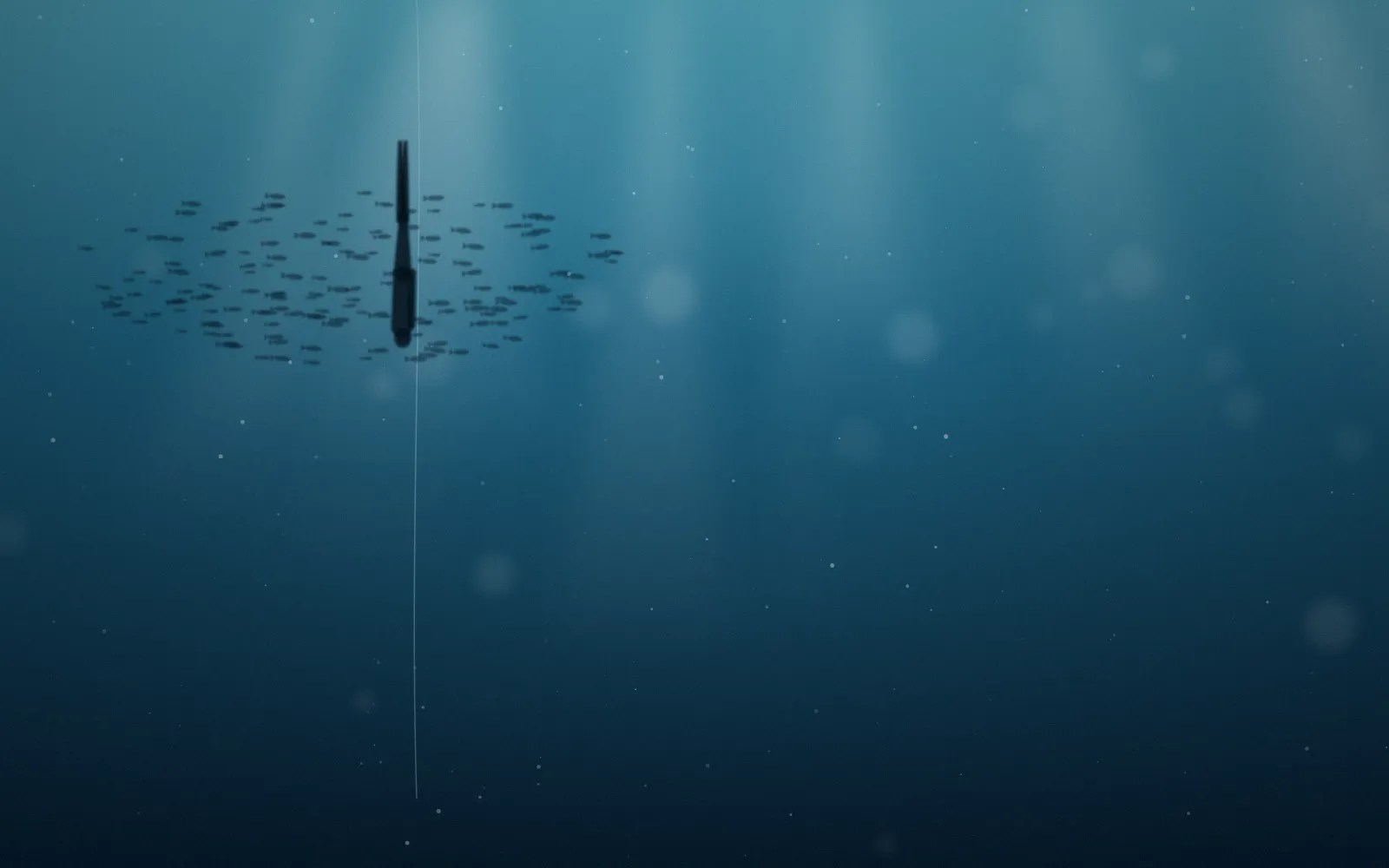
A good freediving turn takes you from head-down to head-up at the bottom of a dive in one compact, controlled movement. You slow down a few metres before the bottom, take hold of the line, tuck your knees, rotate around your hand with your eyes on the line, then start the ascent with long, unhurried kicks or pulls. A clean turn takes a couple of seconds. A messy one costs oxygen, time and composure at the moment you have least of all three.
Turns don’t get much attention on courses, because there’s so much else to learn. They’re worth practising separately, at easy depths, until they feel boring.
Why the turn is the trickiest moment of a dive
Several things happen at once at the bottom of the line:
- You’re at your deepest and most negatively buoyant, so you keep sinking if you hesitate.
- You’ve probably been in freefall, so you’re moving at your fastest.
- Your lungs are at their most compressed and your equalisation may be close to its limit.
- Your body is about to switch from resting to working, because the ascent starts with the hardest kicks of the dive.
- On deeper dives, some divers report feeling slightly foggy, which is often put down to narcosis.
Get the turn right and the ascent flows from it. Get it wrong, with an overshoot, a spin, a lost line or a tangled lanyard, and you start the hardest part of the dive flustered.
Before the turn: slow down and prepare
The turn starts several metres above the bottom. Set your computer’s depth alarm two or three metres before your target, or watch for the bottom plate coming into view. That’s your cue to get ready.
- Equalise one last time. The final metres before the turn are where many people give up on their ears. Equalise now so you arrive comfortable.
- Slow down. In training you can spread your arms slightly, angle your body or brush the line with your hand. In competition, rules restrict touching the line in constant weight, so check the current rules of whichever federation you dive under.
- Get your hand ready. Your leading hand should be next to the line and ready to grab, not out to the side.
Arriving slowly also gives your eyes, and your buddy watching from the surface, time to register where you are.
How to do a constant weight turn, step by step
This is the turn most divers with fins use.
- Take the line with your leading hand at about head height as you reach the plate or your target depth. If there’s a plate with tags, grab a tag.
- Tuck. Bring your knees towards your chest, keeping your fins together, so your body becomes a compact ball around your hand.
- Rotate around your hand. Let your legs swing underneath you while your hand stays on the line as a pivot. Your head comes up and your feet go down.
- Keep your eyes on the line. Watch the line, or your hand on it, all the way round. It keeps you oriented and stops you over-rotating or drifting away.
- Extend and go. Straighten your legs below you, let go of the line and start kicking with long, powerful, unhurried kicks, head neutral.
If the whole sequence takes much longer than a couple of seconds, something in it is too big, and it’s usually the tuck.
Avoiding over-rotation and spinning
The classic mistake is turning around the line instead of over your hand. You corkscrew, the line ends up on the wrong side, and your lanyard may wrap around it. Pick a side for the line and keep it there through the whole dive. If you use a wrist lanyard, keeping the line on the same side as the lanyard stops the cord from crossing your body.
The other common error is throwing your head back to look for the surface during the turn. It feels natural, but it tends to over-rotate you, arch your back and tense your neck at depth. Keep your eyes on the line until you’re facing up, then hold your head neutral.
The free immersion turn
In free immersion the turn is simpler, because your hands are already on the line.
- Slow down by taking shorter, gentler pulls as you approach the bottom.
- Take the line with both hands, one above the other.
- Tuck your knees and let your legs swing down, walking your hands around the line if you need to.
- Start pulling up with long, steady pulls.
The FIM turn is a good place to learn the basic movement, and many instructors teach it first for that reason.
Lanyards, tags and other complications
A lanyard clipped to the line is standard on line dives, and our guide to freediving lanyards covers the setup. It’s one more thing to manage at the turn, so practise with it from your very first turn and build a consistent, tangle-free pattern.
If you’re practising with tags on the plate, decide in advance where the tag goes: held in your hand, or tucked into your hood or suit. Fumbling to stow it at depth wastes time.
Safety: Turn practice is breath-hold diving, even when it’s shallow. Use a line and lanyard, dive with a trained buddy who follows one-up-one-down and watches your ascent, and never hyperventilate first. If anything goes wrong at the turn, such as a tangle, ear pain or a bad feeling, abort calmly and start up.
Turning early is a skill
Most good dives end at the plate. Some of the best end above it. Turning early because your ears aren’t right, because contractions arrive sooner than expected, or because something simply feels off, is what experienced divers do, and it’s a sound decision rather than a failed dive.
Practise early turns on purpose. Set a random alarm, or agree that your buddy will tap the line as a signal, and turn wherever you are. The movement is the same, but without a plate to stop you, your control has to be better. Our post on the mental side of freediving explains why accepting an early turn matters so much.
Common freediving turn mistakes
| Mistake | What it costs | Fix |
|---|---|---|
| Arriving too fast | Overshoot, sudden pressure, a rushed grab | Alarm a few metres early, slow down |
| A wide, open turn | Time and oxygen | Tight tuck, knees to chest |
| Looking up mid-turn | Over-rotation, neck tension | Eyes on the line until you’re head-up |
| Line on the wrong side | Lanyard tangles | Keep the line on one consistent side |
| Sprinting off the bottom | A big spike in oxygen use | Long, strong, calm kicks |
| Skipping the last equalisation | Ear pain right at the turn | Equalise just before the alarm |
Turn drills for your next trip
Most Indian divers get limited time on a line, so make that time count.
- Shallow turn sets. At 5 to 8 m, well inside your comfort, do five or six dives where the only goal is a clean turn. Rest fully between them.
- Random-depth turns. Your buddy tugs the line, or a random alarm goes off, and you turn wherever you are.
- Filmed turns. Have your buddy film one turn from a few metres away. Check whether your tuck is tight and your eyes stay on the line.
- Visualisation on land. Lie on a mat and walk through the sequence in your head: alarm, equalise, hand, tuck, eyes, extend, kick. Ten times a day for the week before you travel.
A smooth turn sets up a calm ascent, especially after a long freefall where you arrive at the bottom heavy and fast. Stay tuned for the freediving.in community, launching soon.
Frequently asked questions
Can you touch the line in constant weight freediving?
In training, yes. You can use the line to slow down, steady yourself or turn, and many coaches encourage it while you are learning. In competition, the rules restrict pulling on or holding the line in constant weight apart from the turn. The details differ between federations and are updated from time to time, so check the current rulebook before you compete.
What is a bottom plate in freediving?
A bottom plate is a small platform or disc fixed to the line at a set depth to mark where the diver turns. In competitions it carries tags that the athlete brings back to show they reached the announced depth. In training, a plate or the bottom weight gives you a clear target and a physical cue to start your turn.
Why do I feel dizzy when I turn at depth?
Dizziness at depth can come from unequal pressure between the two middle ears, sometimes called alternobaric vertigo, which is often linked to one ear equalising more easily than the other. Turning very fast or throwing your head back can add to it. If it happens, abort calmly and ascend with your buddy. If it keeps happening, see an ENT before diving again.
Should I look up on the ascent after the turn?
Not straight away. Keep your head neutral with your eyes on the line for most of the ascent. Looking up arches your neck and adds drag just when you are working hardest. In the last few metres, a quick glance up helps you check for the buoy and your buddy, and one hand raised overhead stops you bumping your head on the float.