Monofin Basics: Learning the Dolphin Kick for Freediving
New to the monofin? How the dolphin kick really works, why the wave starts at your hips, how to move over from bifins, pool drills and choosing a first blade.
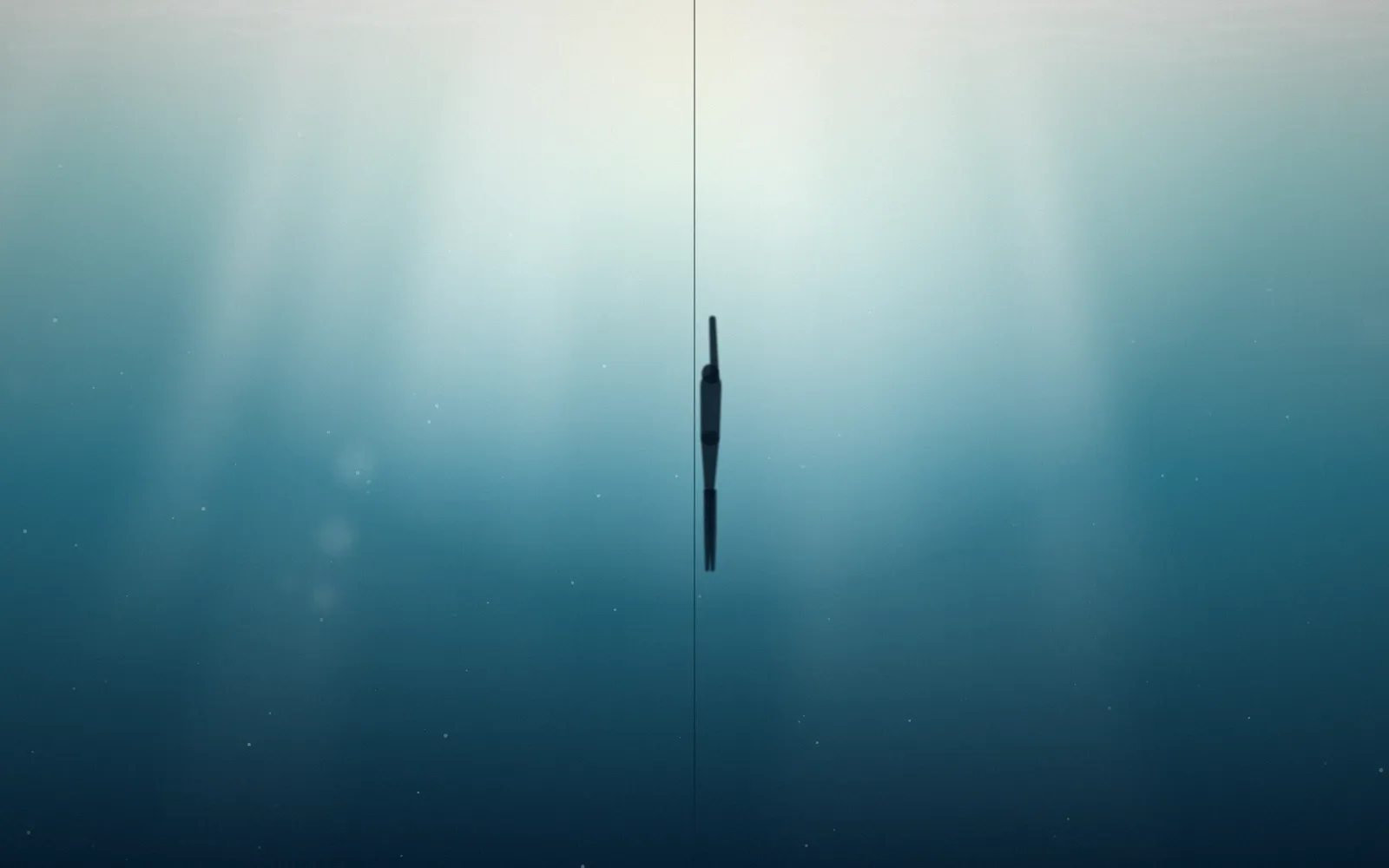
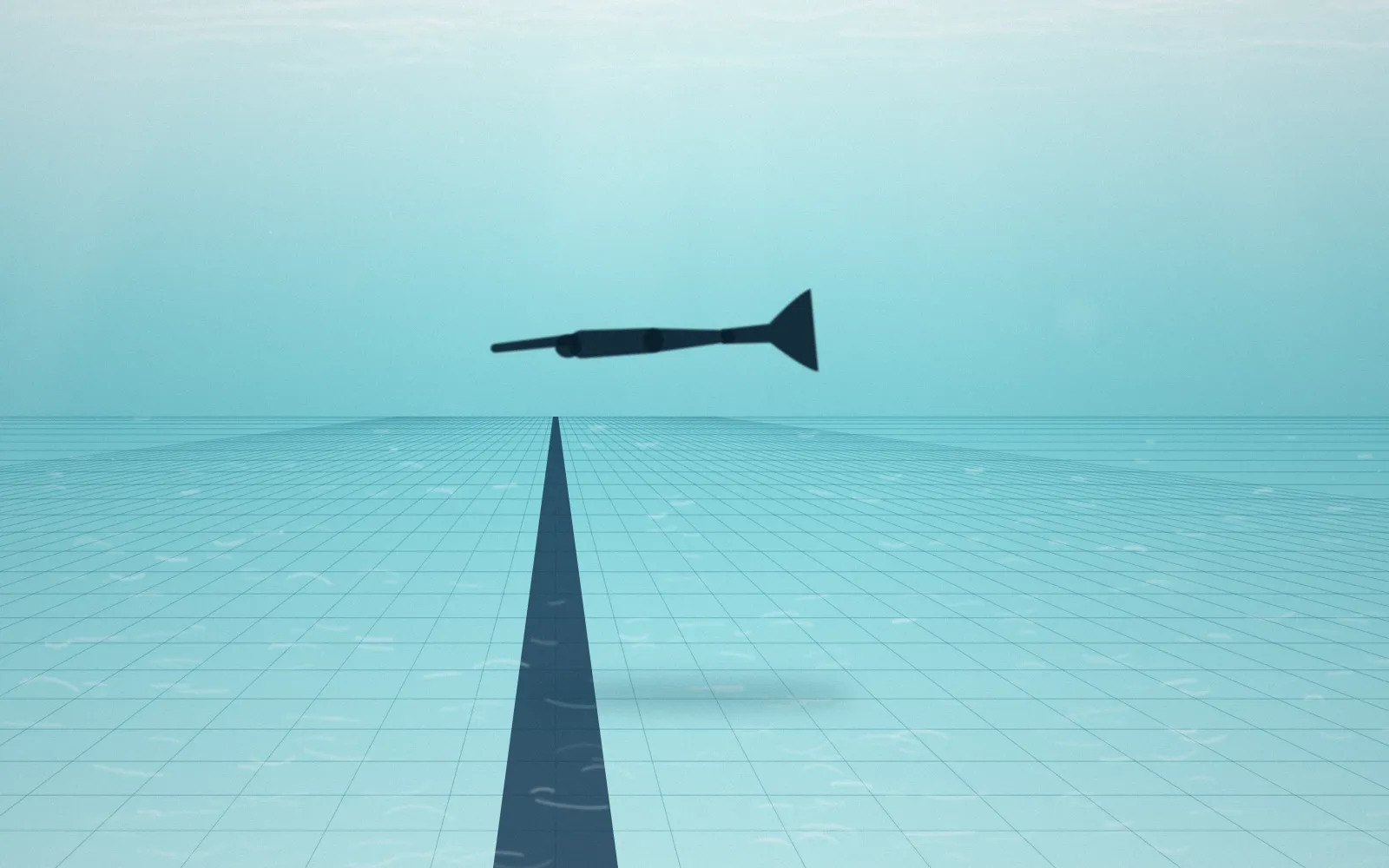
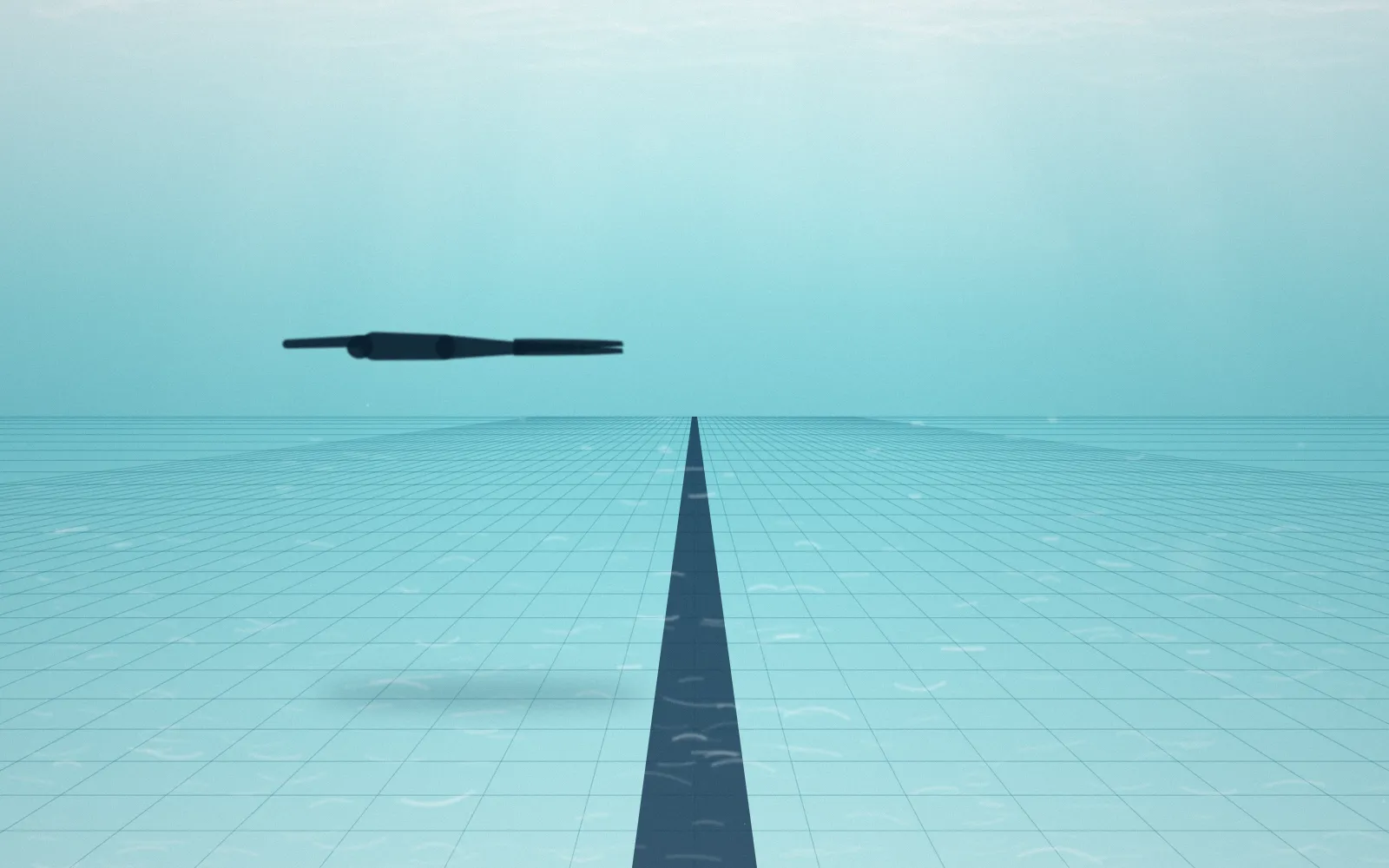
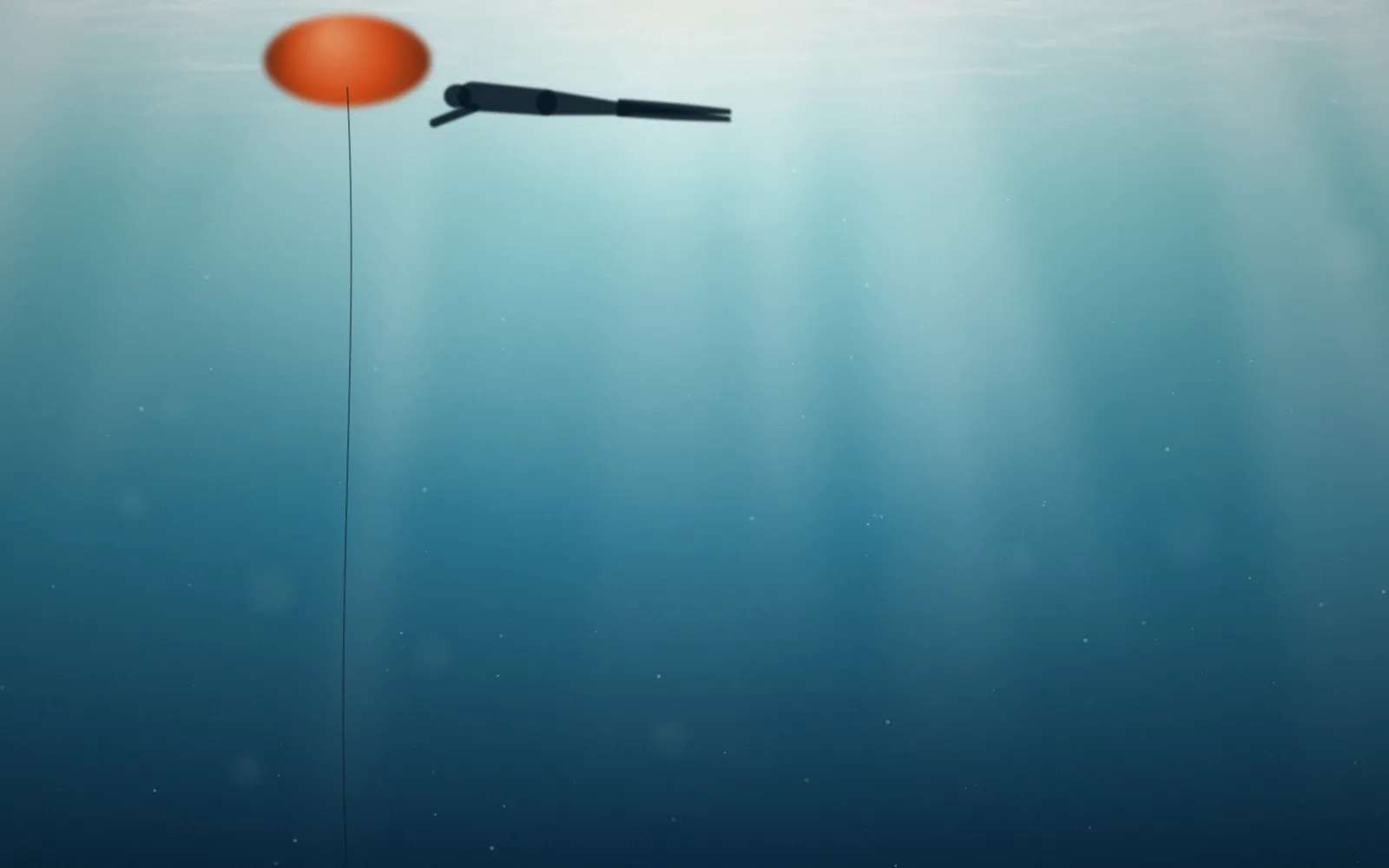
A monofin is a single wide blade with both feet locked into it side by side, driven by the dolphin kick: a small wave that starts at your hips and travels through your knees to the blade, while your arms stay still in a streamline. For many trained freedivers it’s the most efficient way to swim underwater, which is why monofins are common in pool dynamic and deep constant weight diving. They’re also harder to learn than bifins, awkward near reefs and bulky to travel with. This guide covers how the kick works, how to make the switch and what to practise in the pool.
We usually suggest getting comfortable with long bifins first. A monofin won’t fix a short breath-hold or shaky equalisation, and a lot of early monofin learning is undoing bad habits carried over from bifins.
How the monofin dolphin kick works
Picture a wave travelling down your body, but a small one. The most common beginner mistake is a huge undulation that starts at the head and chest. It looks graceful on video and creates a lot of drag. Efficient monofin swimmers keep the upper body long and fairly quiet, and generate most of the movement from the hips and knees.
The downkick
Your hips rise slightly, your knees bend, and then you extend the knees and press the blade down and back, a bit like kicking a ball with the tops of both feet. When you’re face down this is the power stroke. The blade bends under the load and springs back at the end of the movement.
The upkick
With straight legs, your glutes and lower back lift the blade back up while your hips drop a little. Many beginners skip this half and let the fin float up on its own. A firm upkick keeps you moving and sets up the next downkick.
Arms and head
In the pool, your arms go overhead in a tight streamline: one hand on top of the other, upper arms squeezing your ears, shoulders stretched long. Your head stays between your arms with your eyes on the pool floor, not looking ahead down the lane. In depth, many divers keep one arm forward and the other hand at the nose for equalising. Either way, the arms don’t paddle. They’re the pointed front end of the wave.
Why a monofin is efficient, and why it isn’t for everyone
A monofin gives the water one big, continuous surface to push against, and the dolphin kick uses the large muscles of the hips, back and legs together. With good technique you can travel a long way on each kick, with plenty of glide.
The trade-offs are real. A monofin is less manoeuvrable, so wall turns in the pool and the turn at depth both take practice. It’s unforgiving over coral, where one careless kick does damage, which is why many divers in India keep bifins for reef dives and use the monofin only on a line. It’s long and awkward on a small boat or in a car boot. And it loads your lower back, so you need to build up gradually.
| Bifins | Monofin | |
|---|---|---|
| Learning curve | Moderate | Steeper |
| Efficiency with good technique | Good | Often better |
| Manoeuvrability | Good | Limited |
| Near coral and in surf | Easier to control | Risky |
| Travel | Fits most fin bags | Needs a long, dedicated bag |
| Pool permission | Sometimes an issue | More often an issue |
Moving from bifins to the monofin
Don’t jump straight from bifins into a stiff monofin. Build the movement in stages.
- Dolphin kick with no fins. Push off the wall in a streamline and do small dolphin kicks for a few metres underwater. Keep the movement small and the arms still.
- Dolphin kick with bifins. Put your bifins on, hold your feet together and dolphin kick. It’s an excellent drill in its own right and needs no new gear.
- A soft monofin. Your first monofin should have a soft blade, so you learn the rhythm before you need the strength.
- Short distances, lots of rest. Monofin work tires the lower back and hip flexors in a way bifins don’t. Ten or fifteen minutes of focused drills is enough at the start.
Your bifin habits will show. If you bicycle with bifins, you’ll bend your knees too much with a monofin. If you hold tension in your shoulders, your streamline will wobble. Read our post on freediving finning technique first, and pay attention to streamlining, because a bigger blade magnifies every kink in your body.
Pool drills for the dolphin kick
These work in most Indian pools with a deep end, at quiet hours and with permission for fins. Most are done at the surface with a snorkel, so you’re not combining a new movement with a breath-hold.
Back dolphin at the surface
Lie on your back at the surface, arms in a streamline overhead, and dolphin kick. Your knees shouldn’t break the surface. If they do, you’re bending them too much and driving the kick from the lower legs instead of the hips.
Side dolphin along the wall
Lie on your side with your face in the water and a snorkel in, lower arm stretched forward, and dolphin kick along the lane. You’ll feel whether the wave is even in both directions, and your buddy can see it clearly from the deck.
Vertical dolphin in the deep end
Float upright with your arms crossed on your chest and dolphin kick to keep your head up. Short rounds of 20 to 30 seconds. It builds the hip-led movement and quickly exposes a lazy upkick.
Filmed glides
Push off the wall in a streamline with the monofin on, take three kicks and glide. Have your buddy film from the side. Watch for a big chest movement, bent arms, or your head popping up out of the streamline.
Safety: A monofin moves you further for less effort, which makes it easy to swim past the point where you should have surfaced. Keep underwater distances well inside your comfort zone, never swim underwater alone, and have your buddy follow you along the length, ready to help the moment you surface.
Choosing your first monofin
You don’t need the stiffest or most expensive blade. In general terms:
- A soft blade. Easier to learn on and kinder to your back. Very stiff blades are made for strong, experienced athletes.
- Comfortable foot pockets. Fit matters more than anything else. Pockets that pinch ruin every session; loose ones waste energy. Try before you buy if you can, wearing the socks you’ll dive in.
- Blade material. Fibreglass is a common choice for a first monofin. Carbon is lighter and livelier but costs more, and you don’t need it to learn.
- Blade size and angle. Smaller blades are easier to manage while learning. Some monofins set the blade at an angle to the foot pockets; ask your instructor whether that suits the way you’ll use it.
- Rent or borrow first. Many freediving centres abroad, and some pool clubs, have monofins you can try.
A training monofin is a different thing from the mermaid tails sold for swimming and costume use. Those can be fun, but they aren’t built for this. Our freediving fins guide has more on materials and stiffness, and the post on buying freediving gear in India covers the practical side of getting fins here.
A first month with the monofin
Two pool sessions a week is enough for steady progress.
- Week one: no-fin and bifin dolphin kick, plus back dolphin.
- Week two: add the monofin, surface drills only.
- Week three: side dolphin and short filmed glides.
- Week four: a few short underwater lengths with your buddy following, focusing on a quiet upper body.
On non-pool days, work on shoulder mobility for a cleaner streamline and some gentle back extension, such as the routines in our stretching for freediving guide. If your lower back complains, cut the monofin time and go back to bifins for a week. The freediving.in community for Indian freedivers is coming soon, so stay tuned.
Frequently asked questions
Is a monofin better than bifins for beginners?
Usually not. Bifins are easier to learn, more forgiving near coral and simpler to travel with, and they teach the basics of a relaxed, efficient kick. Most coaches suggest building a solid bifin kick, comfortable breath-holds and reliable equalisation first, then adding a monofin once you want more efficiency in the pool or on a line.
Can you use a monofin in the ocean?
Yes, many depth divers use one on a line in open water. It is less suited to reef swimming, rocky shore entries and surf, because you cannot walk in it and it is hard to manoeuvre near coral. Most people put the monofin on in the water at the buoy and switch to bifins for exploring the reef.
How long does it take to learn the dolphin kick?
Most people get a basic, working dolphin kick within a few pool sessions. Making it efficient and relaxed enough for long dynamics or line diving takes much longer, often months of regular practice with video feedback. Starting with no-fin and bifin dolphin kick drills shortens the learning curve when you finally put on a monofin.
Does using a monofin hurt your back?
It can, if you do too much too soon or kick with an exaggerated whole-body wave. The dolphin kick loads the lower back and hip flexors. Start with a soft blade and short sessions, keep the wave small and led from the hips, and build core strength on land. Persistent back pain is a reason to stop and see a physiotherapist.