Freediving vs Snorkelling: What's the Real Difference?
Freediving vs snorkeling explained: what changes when you leave the surface on one breath, from the duck dive and equalisation to gear and the buddy system.
The difference between freediving and snorkelling is where you spend your time. Snorkellers float face down at the surface, breathing through a snorkel and watching the reef from above. Freedivers take a breath, leave the surface and descend, using a duck dive, ear equalisation and a buddy system that snorkellers never need. Most freedivers started out as snorkellers; the step between the two is a handful of learnable skills plus a stricter approach to safety.
Snorkelling: the view from the surface
Snorkelling is the easiest way to see a reef. You put on a mask and snorkel, maybe some fins, and float. The water holds you up, the snorkel lets you breathe without lifting your head, and you can stay out for an hour if the sun allows.
On many Indian snorkel trips, especially around the Andamans, guides hand out life jackets and lead groups over shallow coral. That’s sensible for mixed groups of swimmers and non-swimmers. It also means you stay at the surface, looking down at everything from a few metres away.
The main risks are sunburn, currents, boat traffic and tiredness. Nothing needs equalising, because you never go down.
Freediving: going down to meet the reef
Freediving starts where snorkelling stops. Instead of watching a turtle from above, you dive down and swim alongside it at its level for a few seconds, then return to the surface to breathe.
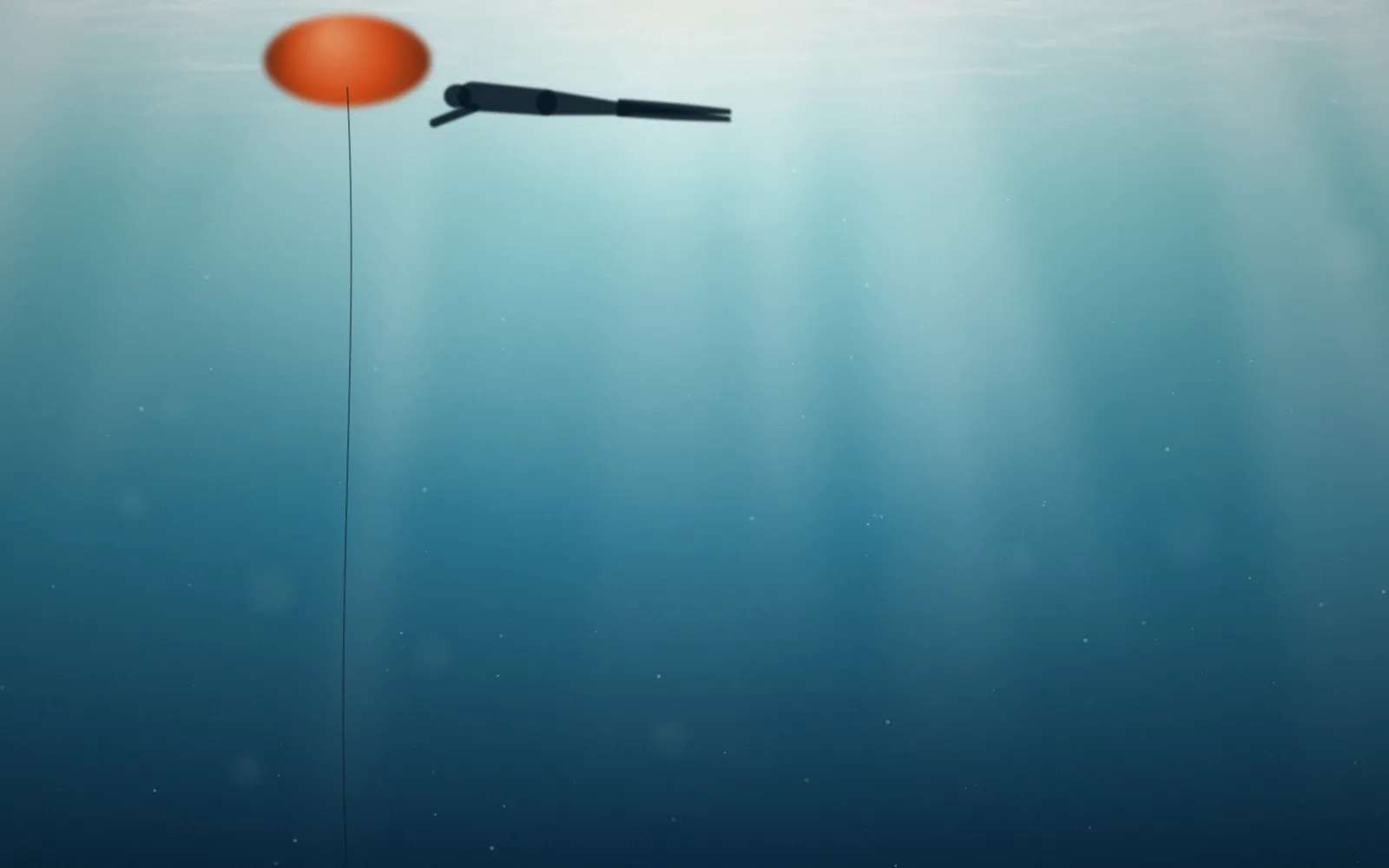
Each dive is short, from a few seconds to a minute or so for beginners, and you rest at the surface between dives. In training, you’ll usually dive on a line hanging from a buoy, which helps with orientation, safety and measuring progress. On a reef, you dive where your buddy can see you clearly.
What changes most is the feeling. At the surface you’re a spectator. A few metres down, the light changes, the sound goes quiet and fish treat you less like a floating object and more like part of the scenery.
Freediving vs snorkelling at a glance
| Snorkelling | Freediving | |
|---|---|---|
| Where you are | At the surface | Diving below the surface on one breath |
| Breathing | Continuously through a snorkel | Breathe-up at the surface, then a single breath-hold |
| Key skills | Floating, breathing through a tube, clearing a snorkel | Duck dive, equalisation, relaxation, rescue |
| Typical gear | Mask, snorkel, short fins, often a life jacket | Low-volume mask, simple snorkel, long fins, wetsuit, weights |
| Life jacket | Common, especially on tours | Not possible to dive in one |
| Training | Usually none needed | A course is strongly recommended |
| Main risks | Sun, currents, boats, exhaustion | Blackout, ear and sinus injuries, drowning without a buddy |
| Buddy system | Helpful | Essential, every single dive |
The skills gap between snorkelling and freediving
Four skills separate a confident snorkeller from a beginner freediver.
The duck dive
Getting from the surface to heading straight down without wasting energy is a technique in itself. You fold at the hips, push your head and arms down and lift your legs out of the water so their weight drives you under. Done badly, it involves a lot of splashing and not much depth. Our guide to the duck dive technique breaks it down step by step.
Equalisation
Within the first couple of metres, water pressure starts pressing on your eardrums. Snorkellers who dive down without knowing how to equalise feel a sharp pain and come straight back up. Freedivers learn to add air to the middle ear early and often, usually with the Frenzel method, which works well head-down. If you’ve never heard of it, start with our Frenzel technique guide.
Relaxed breath-holding
Freediving is built on a calm breathe-up and a relaxed body. That means slow breathing at the surface, never fast and deep, and loose shoulders and jaw during the dive. Relaxation saves oxygen, and oxygen is the only budget you have.
The buddy system
Snorkellers can wander apart and nothing much happens. Freedivers work in pairs: one dives while the other watches from the surface, then they swap. The watching buddy knows the signs of trouble and how to bring someone up. We explain the role in depth in the freediving buddy system.
The risky middle ground: snorkellers who dive down
The most dangerous version of either activity sits between them. Picture a confident swimmer on holiday, snorkelling over a reef, who starts diving down for a closer look. They take a few fast, deep breaths to “load up”, stay down a bit longer each time, and their friend is busy looking at fish somewhere else.
That combination of hyperventilation, pushing for time and nobody watching is exactly how shallow water blackout happens. The diver can lose consciousness near the surface without any warning, and without a buddy right there, it can be fatal. Our article on shallow water blackout explains why the warning signs don’t arrive.
Safety: If you dive down while snorkelling, breathe slowly before each dive, never hyperventilate, keep dives short, and make sure someone is watching you from the surface every single time. Better still, take a course before you start breath-hold diving at all.
Full-face snorkel masks deserve a mention too. They’re popular for surface snorkelling, but you can’t reach your nose to equalise, so they are unsuitable for diving down. Leave them at the surface.
What changes in your gear
Snorkelling gear and freediving gear look similar from the beach, but they’re designed for different jobs.
- Mask: freedivers use a low-volume mask, which sits close to the face and needs very little air to equalise. Big panoramic snorkelling masks hold more air and squeeze harder at depth. Our freediving mask guide covers fit.
- Snorkel: a simple flexible tube with no valves or dry top is standard for freediving. Fancy snorkels with purge valves and splash guards add drag and fuss.
- Fins: long-bladed fins move more water per kick, which saves oxygen. Short snorkelling fins are fine at the surface.
- Wetsuit and weights: freedivers often wear a thin wetsuit and a few kilos of lead so they can descend without fighting their own buoyancy. Snorkellers wear neither, or just a rash guard.
You’ll find “snorkeling” spelt with one L in most American gear catalogues, but the kit for freediving is the same whichever spelling you search.
What to practise on your next snorkel trip
If you’re heading to the Andamans or Netrani with a snorkel and a vague plan to “try going down”, use the surface time well instead:
- Practise relaxed face-down breathing. Float still for a few minutes, breathe slowly through the snorkel and let your exhales get longer than your inhales.
- Practise kicking from the hips. Keep your legs long and your knees soft, and notice how much less effort it takes.
- Get comfortable clearing your snorkel and mask at the surface, so small water leaks don’t rattle you later.
- Practise equalising on land. Pinch your nose and try the Frenzel method sitting down, well before any dive.
- Book a course before diving down regularly. Two to four days with an instructor will teach you everything this page skims over.
Stay tuned for the freediving.in community, launching soon.
Frequently asked questions
Is freediving harder than snorkelling?
Freediving takes more skill. Snorkelling mostly asks you to float and breathe calmly through a tube, which most people manage within minutes. Freediving adds a duck dive, ear equalisation, relaxed breath-holding and buddy procedures. None of these are difficult with good instruction, and most people learn the basics in a two to four day course, but they do need to be learned properly.
Do I need a course to freedive on holiday?
You don't need a licence to swim down a few metres, but a course is strongly recommended before you start breath-hold diving in the sea. It teaches equalisation, safe breathing, how to watch and rescue a buddy and how to recognise your limits. Many dive centres also ask to see a certification before letting you join their line sessions.
Can I snorkel if I can't swim?
Many snorkelling tours in India hand out life jackets, and non-swimmers often snorkel safely while wearing one with a guide nearby. Freediving is different: you cannot dive down in a life jacket, and courses expect basic water comfort and a short swim test. If snorkelling is your first step, use it to get comfortable in the water before taking any freediving course.
Why do freedivers use longer fins than snorkellers?
Long freediving fins move more water with each slow kick, which saves energy and oxygen on the way down and back up. Snorkellers spend their time at the surface, where short, easy fins are more practical. Long fins take a little practice and are awkward on boats, so beginners often rent a pair before buying.