Netrani Island Diving: A Freediver's Guide to Karnataka
Netrani Island diving for freedivers: the boat ride from Murudeshwar, the October to May season, visibility, marine life and a weekend plan from Bengaluru.
Netrani Island diving is the best open-water option in Karnataka: a small rocky island about 10 nautical miles (roughly 19 km) off Murudeshwar, reached by a boat ride of an hour or more, with good reef life and, on the right day, water clear enough to surprise anyone used to the west coast. The season runs roughly from October or November to May. There are no facilities on the island, so freediving happens from the boat, usually on a buoy and line. For Bengaluru divers, it’s a realistic weekend trip.
Where Netrani is and why divers rate it
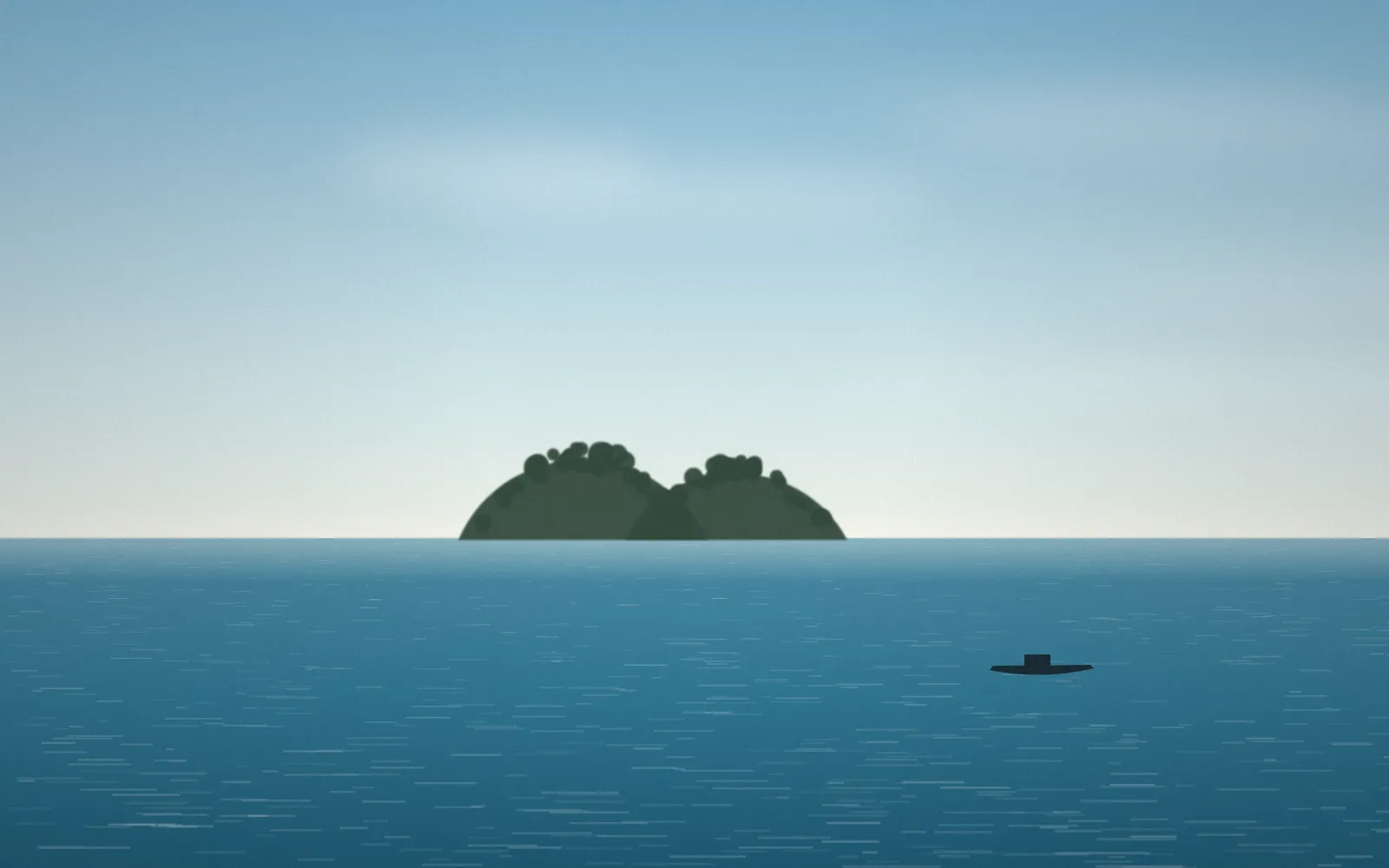
Netrani sits in the Arabian Sea off Uttara Kannada district, between Murudeshwar and Bhatkal. From the air it is roughly heart-shaped, and you’ll also hear it called Pigeon Island, after the birds that nest there.
What makes it stand out on India’s west coast is distance from the mainland. Being well offshore, it is less affected by river sediment than coastal sites, so visibility on good days is noticeably better than in Goa or Tarkarli. The rocky slopes around the island drop into deeper water, and the fish life is generally rich.
The boat ride from Murudeshwar
Most trips leave early in the morning from the beach near the Murudeshwar temple, with the giant Shiva statue watching over the boats. The ride takes around an hour to an hour and a half, depending on the boat and the sea.
Things to know before you go:
- It can be rough. The crossing is open sea, and swell builds through the day. If you’re prone to seasickness, talk to a doctor well before the trip and test any medication on land, since some cause drowsiness.
- There’s nothing on the island. No jetty, no shade, no toilets, no shops. Carry water, snacks, sun protection and a dry bag.
- Many trips include two sessions with a surface interval on board, then head back by early afternoon.
- Sun exposure is serious. Hours on an open boat in March will burn you even through a hazy sky.
Netrani’s season and visibility
The usual window is roughly October or November to May. Visibility tends to improve as the dry season goes on, and many divers rate the period from around December to April most highly. From June to September the southwest monsoon makes the sea unsafe and trips stop.
Visibility is variable. On a good day you might see 15 m or more; after swell or a plankton bloom it can drop below 5 m. Operators running trips regularly know the recent trend, so ask before you book transport. Our guide to the best time for freediving in India shows how Netrani compares with other coasts through the year.
What you’ll see underwater
The rocky reefs around Netrani support hard and soft corals, sponges and a lot of fish: parrotfish, triggerfish, angelfish, butterflyfish, groupers, snappers and moray eels tucked between boulders. Schools of fusiliers and barracuda pass through. Turtles appear from time to time, and whale sharks have been reported in some seasons, though nobody can promise you one.
The shallower parts of the reef, around 5–10 m, are where most of the colour is, and that’s where snorkellers and beginner freedivers spend most of their time.
Freediving at Netrani: depth, lines and conditions
Freediving at Netrani is boat-based. A typical setup is a buoy with a weighted line dropped over a suitable spot near the island, with divers resting on the buoy between dives and taking turns. There is enough depth for line training beyond beginner level, but on most days the sea conditions decide more than the depth does.
Points specific to Netrani:
- Swell and surge near the rocks. Stay off the shallow boulders when the sea is moving.
- Current can run along the island. Hold the buoy between dives and don’t drift away from the boat.
- Visibility affects safety. In green water your buddy needs to stay closer, and the point where they meet you on the way up should be shallower.
- Distance from help. Proper medical facilities are back on the mainland, more than an hour away by boat.
Safety: Netrani is open sea, a long boat ride from help. Dive on a line with a lanyard, with a trained buddy watching every dive, and save personal-best attempts for somewhere with less swell and closer support. Never freedive alone, and never hyperventilate before a dive.
If your buddy skills are rusty, read our guide to the freediving buddy system before the trip.
A weekend plan from Bengaluru
Murudeshwar is roughly 450–500 km from Bengaluru by road. Overnight buses and trains make it a weekend trip, if a tiring one.
- Friday night: take an overnight bus, or a train via Mangaluru; Murudeshwar has its own station on the Konkan Railway line. Book sleeper berths early before long weekends.
- Saturday morning: arrive, check in, eat something light (idli, upma or a banana is ideal) and get to the boat.
- Saturday afternoon: back by early afternoon. Eat lunch, nap and drink plenty of water. A coastal Karnataka meal is your reward.
- Saturday evening: walk up to the temple and the statue, then sleep early.
- Sunday: a second boat trip if you’ve booked one, or a rest day. Some people add Gokarna, a couple of hours north.
- Sunday night: overnight bus or train home, and into the office on Monday slightly salty.
From Goa, Netrani works as a long day trip, since south Goa is a few hours’ drive away. From Mangaluru, the nearest major airport, it’s around three to four hours by road. From Mumbai, the Konkan Railway runs all the way down the coast to Murudeshwar.
Rules and the island’s history
Netrani has a complicated history. For years it was used by the Indian Navy as a target for firing practice, which conservationists and local fishers opposed, and access for divers has varied over time. Rules on landing, fishing and anchoring can change, so confirm current access with operators and local authorities before you go.
Whatever the rules on paper, the reef is fragile. Don’t stand on or touch coral, keep your fins clear of the rocks, and bring everything you took out back to the mainland. Our post on reef etiquette for freedivers covers the details.
Getting ready for your Netrani trip
Most of what makes a Netrani day good happens before the boat leaves. Arrive with your equalisation working, a mask that fits and a buddy you’ve practised rescues with. If you live in Bengaluru, Pune or Hyderabad, your pool and your living room are your training ground for most of the year; our guide to training for freediving far from the sea shows how to structure it.
If Netrani isn’t running when you’re free, Goa is the closest alternative; see freediving in Goa. The freediving.in community is coming soon. Stay tuned.
Frequently asked questions
Can you land on Netrani Island?
Generally, no. Diving and snorkelling trips stay on the boat and in the water around the island; there is no jetty and no facilities, and landing has been restricted, partly because of the island's history as a naval firing range. Rules can change, so check with your operator, but plan the day as a boat day with everything you need on board.
Is Netrani Island good for beginners?
For beginners with an instructor, on a calm day, yes. The shallower reef at 5–10 m is colourful and good for snorkelling and easy freedives. But the boat ride is long and can be rough, and the site is exposed open sea. If you've never been in open water, a pool session and a calmer first sea day elsewhere will help.
Can you see whale sharks at Netrani?
Whale sharks have been reported around Netrani in some seasons, but sightings are unpredictable and nowhere near guaranteed. Most trips see reef fish, turtles and schools of fusiliers instead. If you do meet one, stay calm, keep a respectful distance, don't touch or chase it, and let the animal set the pace.
Is Netrani better than Goa for diving?
For visibility and fish life, Netrani usually has the edge because it sits well offshore, away from river sediment. Goa is easier to reach, has more operators and gives you more options when Netrani's sea is rough. Plenty of divers do their first open-water sessions in Goa and make the Netrani trip when conditions look good.