Freediving in Lakshadweep: Lagoons, Drop-Offs and Permits
What freediving Lakshadweep's coral atolls involves: entry permits, which islands visitors usually reach, lagoon training, outer-reef drop-offs and the season.
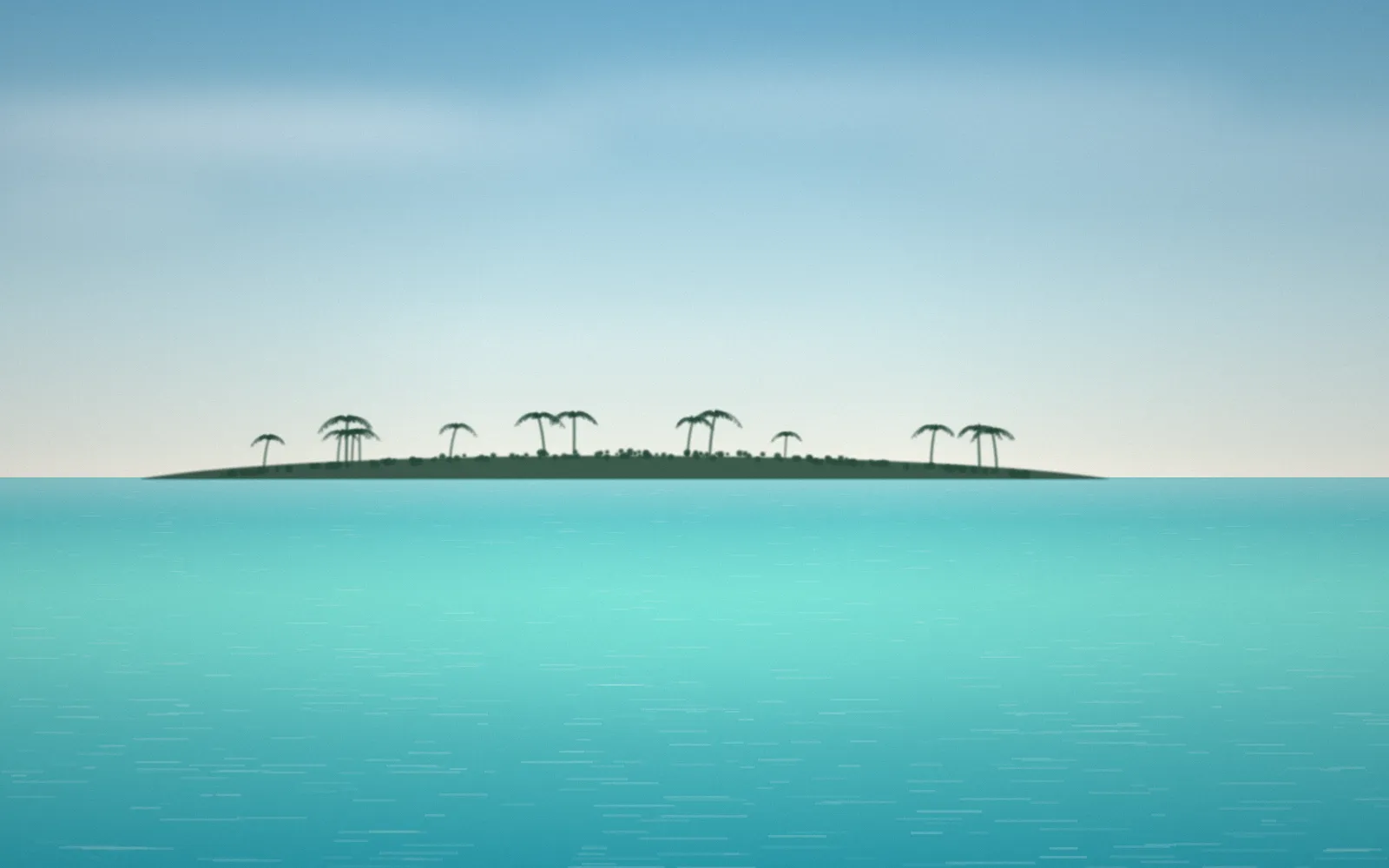
Freediving in Lakshadweep means warm, very clear water over coral atolls: shallow sandy lagoons that make a near-perfect training pool, and outer reefs that drop away into real depth a short boat ride later. The catch is access. Every visitor who isn’t a resident needs an entry permit, Indian citizens included, only certain islands are open to tourists, and freediving-specific instruction is limited. Plan it as a once-a-season expedition, not a long weekend.
Where Lakshadweep is and how an atoll works
Lakshadweep is a union territory of 36 islands in the Arabian Sea, roughly 200 to 450 km off the Kerala coast. Only about ten are inhabited. Kavaratti is the capital, Agatti has the airstrip, and Minicoy sits far to the south, closer to the Maldives than to the rest of the group.
Most of the islands sit on coral atolls. Simplified, a typical layout looks like this:
- a low, sandy island along one edge of the reef,
- a shallow lagoon, often 1–5 m deep, sheltered by the reef ring,
- an outer reef slope that falls steeply into deep water.
That layout suits freediving well. The lagoon is a classroom; the outer reef is where the depth is. It’s the same geology as the Maldives just to the south, and our Maldives freediving guide makes a useful comparison if you’re weighing the two.
Entry permits: sort these first
Permits come before flights, ships or hotels. In general terms:
- Indian citizens need an entry permit from the Lakshadweep Administration, applied for online. Expect to provide ID and supporting documents; in recent years these have included a police clearance certificate from your local police, which can take a while to get.
- Permits are tied to your plans. You’ll usually need confirmed accommodation or a tour booking, and the permit covers specific islands and dates.
- Foreign nationals face additional restrictions and can usually visit only certain islands. Rules can depend on nationality and change from time to time.
Start the process weeks before you want to travel, not days. Treat everything above as general guidance and check the current requirements on the Lakshadweep Administration’s official website before you pay for anything non-refundable.
Which islands visitors usually reach
Agatti, Bangaram and Kadmat are the names that come up most often for tourists, with Kavaratti, Kalpeni and Minicoy on some packages. Which islands are open, and on what terms, has changed over the years and can change again, so use this list as a starting point for research rather than a plan.
Agatti is the practical hub because of the airstrip and has a long lagoon. Bangaram is a small island with no permanent village and a lagoon popular for snorkelling. Kadmat is long and narrow, with a lagoon along its length and a history of water sports. Much of the tourist accommodation is government-run or sold as packages, so you’ll often book island, stay and transfers together.
Getting there from Kochi
- By air: small aircraft fly from Kochi to Agatti. Seats are limited, and baggage allowances on small planes can be tight, which matters when you’re carrying long fins.
- By sea: passenger ships sail from Kochi, and the crossing typically takes somewhere around 14 to 20 hours, depending on the island. Ship tickets are largely handled through the administration and tend to fill up.
- Between islands: boats and ships connect the islands, weather permitting.
Flights and ships are both affected by weather, especially as the monsoon approaches. Build buffer days into both ends of the trip.
Lagoon training: India’s best shallow classroom
A Lakshadweep lagoon on a calm morning is about as good as shallow freediving training gets: white sand at 2–4 m, warm water, and visibility that lets your buddy watch your whole dive from the surface. Green turtles often graze on the seagrass beds.
Good lagoon sessions for freedivers:
- Duck dive repetitions, filmed by your buddy from the surface.
- Finning drills along the bottom, focusing on a slow, long kick.
- Equalisation practice: head-down hangs at 3 m, equalising early and often.
- Buddy and rescue drills, which are much easier to practise properly in shallow, clear water.
- Relaxed hangs and short, easy breath-holds, always one up, one down.
Lagoons aren’t risk-free. Tidal currents run through the channels where the lagoon meets the open sea, boats use the lagoons, and the white sand reflects the sun straight back at you.
| Lagoon | Outer reef | |
|---|---|---|
| Typical depth | 1–5 m | Drops from a few metres to 30 m and beyond |
| Surface | Usually calm | Exposed to swell and wind |
| Currents | Mostly mild, stronger in channels | Can be strong |
| Good for | Drills, technique, rescues, relaxed hangs | Line training, depth, bigger fish |
| What you need | A buddy and sun protection | A boat, buoy, line, lanyard and an experienced buddy or instructor |
The outer reef and drop-offs
Beyond the reef crest, the bottom falls away quickly. This is where you see bigger fish, schooling fusiliers, reef sharks and occasionally mantas, and where a line can be hung over deep water for proper depth training.
It’s also where conditions get serious. The outer reef is exposed to swell and current, there may be no other boat in sight, and medical facilities on the islands are limited. Serious cases may need evacuation to the mainland, which takes time and depends on the weather.
Safety: Freedive the outer reef only from a boat, on a line, with a lanyard and a trained buddy ready to meet you on the way up. Help is far away in Lakshadweep, so dive well within your limits and turn early rather than late. Never hyperventilate, and never dive alone.
Season and weather
The usual window is roughly October or November to April, with the calmest, clearest conditions often from December to March. The southwest monsoon arrives around late May, and the sea stays rough until around September, when transport and diving become unreliable or stop altogether. Our month-by-month guide shows how Lakshadweep lines up with India’s other destinations.
Conservation and local customs
Lakshadweep’s reefs are the islands’ sea wall and fishing ground. They have been hit by several mass bleaching events in recent decades, and recovery is slow. Don’t touch, stand on or collect coral or shells, keep your fins clear of the reef, and take your plastic home, because waste disposal on small islands is hard. Our post on reef etiquette for freedivers goes into detail.
The islands’ communities are largely Muslim and fairly conservative. Swimwear is fine on tourist beaches and boats, but cover up when walking through villages. Alcohol is restricted on most islands. Fresh water is scarce, so keep showers short.
Planning a Lakshadweep freediving trip
- Get certified first. With limited instruction and remote medical care, Lakshadweep is a poor place for your first-ever freediving lesson. Our guide to freediving certification in India covers your options.
- Bring your own gear. Scuba and snorkel rental exists, but long fins and well-fitting freediving suits are rarely available.
- Bring a trained buddy, and agree on your buddy procedures before you arrive.
- Ask the operator whether they can provide a buoy, line and lanyard, or whether you need to bring your own.
- Carry cash and expect slow or no mobile data on some islands.
The freediving.in community for Indian freedivers is coming soon, so stay tuned.
Frequently asked questions
Do Indian citizens need a permit to visit Lakshadweep?
Yes. Indian citizens who aren't residents need an entry permit from the Lakshadweep Administration, usually applied for online with ID and supporting documents, which in recent years have included a police clearance certificate. The permit is tied to specific islands and dates. Requirements change, so check the administration's official website well before you book flights or ships.
Which Lakshadweep island is best for diving?
Agatti, Kadmat and Bangaram are the islands most often open to tourists and are known for their lagoons and nearby reefs; Kavaratti, Kalpeni and Minicoy appear on some packages. Which islands are open to visitors, and on what terms, has changed over the years. Start from what you can actually get a permit and accommodation for, then ask about diving there.
Can foreigners visit Lakshadweep?
Foreign nationals can visit, but usually only certain islands, and they need additional permits beyond those required for Indian citizens. Which islands are open to foreigners, and the paperwork involved, depends on current rules and sometimes on nationality. Check the Lakshadweep Administration's official guidance and allow plenty of time for approval.
Is Lakshadweep better than the Maldives for freediving?
The reefs and atoll geology are similar, and Lakshadweep is far less crowded. The Maldives, though, has much easier access, more accommodation and far more diving infrastructure, including freediving instructors on some islands. Lakshadweep suits divers who value quiet water and don't mind permits, limited services and bringing their own buddy and gear.